Seasonal care, 3 min read
Winter Skincare Routine for Dry Skin in India
Why skin turns tight and flaky when the weather cools, and a simple routine to keep it soft through an Indian winter.
Published

From November, much of India gets cooler and drier. In Delhi and across the North, the air loses its moisture, room heaters and hot showers come out, and skin that felt fine in October starts to feel tight after washing, look dull and flake around the nose and mouth. Even in milder cities, the change of season can unsettle skin. The good news: a few small changes to your daily routine go a long way.
Why skin gets dry in winter
- Dry air: cold air holds less water, so it pulls more of it out of your skin
- Room heaters: they warm the room but dry the air even further
- Hot water: long, hot showers and face washes rinse away the lipids your barrier needs
- Pollution and smog: winter smog in North Indian cities adds stress to skin that is already dry
- Drinking less water: we feel less thirsty in the cold, though water alone won’t fix dry skin
All of these weaken the skin barrier, the outer layer that keeps water in and irritants out. When it runs low on lipids, water escapes faster and skin feels rough, tight and easily irritated.
Signs your skin needs winter care
- Tightness: especially right after washing
- Flaking: around the nose, mouth and eyebrows
- Dullness: skin looks tired and makeup sits on dry patches
- Stinging: products you normally use suddenly feel uncomfortable
- Redness: dry patches that look pink or feel itchy
A simple winter routine
1. Cleanse gently: Use a mild, low-foam cleanser and lukewarm water, not hot. In the morning, a splash of water is often enough for dry skin.
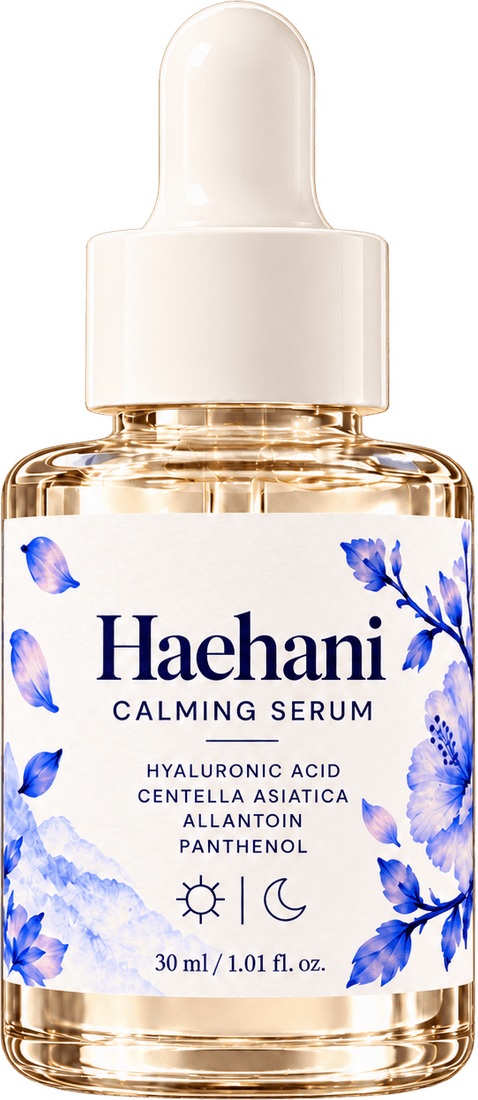
2. Hydrate on damp skin: While your face is still slightly damp, press in two or three drops of Calming Serum. Its three forms of hyaluronic acid draw water into the skin, while centella asiatica, allantoin and panthenol help comfort it.
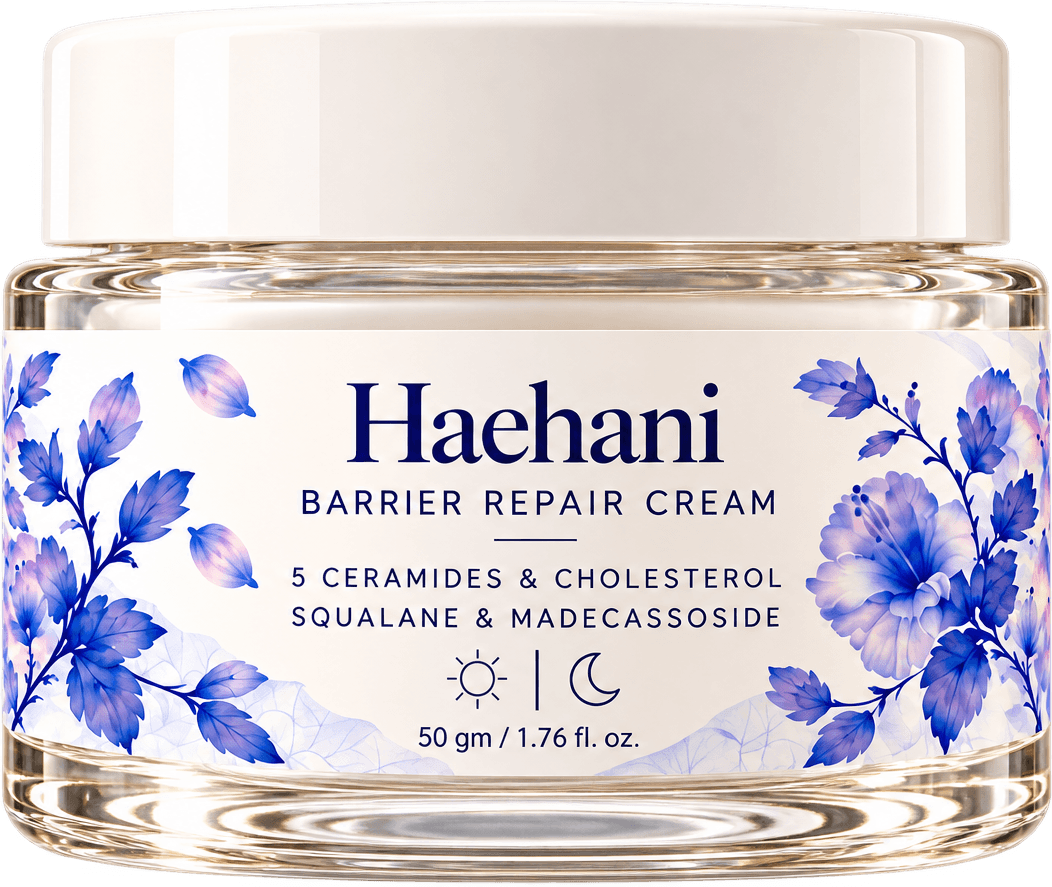
3. Seal it in: Follow with Barrier Repair Cream. Five ceramides, cholesterol and squalane help replenish moisture and support the skin’s natural protective barrier, so the water from step 2 stays where it belongs. In winter, use a little more than in summer, and pat an extra layer onto dry patches.
4. Protect: In the morning, finish with a broad-spectrum sunscreen, SPF 30 or higher. Winter sun still carries UV, especially on clear days and in the hills.
What to change from your summer routine
- More moisturiser: a slightly thicker layer than in summer, or a second thin layer at night
- Less exfoliation: cut scrubs and acids to once a week, or pause them if skin stings
- Gentler cleansing: swap foaming or oil-control washes for a mild one
- Lukewarm water: keep hot water for your body, not your face
- Lips and hands too: they have fewer oil glands and dry out first
Winter care for oily and combination skin
Oily skin can still feel tight and dehydrated in winter: it is short on water, not oil. Keep the same routine with a lighter hand: the serum all over, a thin layer of cream on the T-zone and a little more on the cheeks.
Common winter mistakes
- Very hot showers: they feel good in the cold but leave skin drier
- Skipping sunscreen: UV doesn’t go away in winter
- Scrubbing off flakes: moisturise them instead; rubbing makes dry skin more irritated
- Hyaluronic acid on dry skin, with nothing on top: in dry air, always seal it in with a moisturiser
- Sitting by the heater: if you can, use a humidifier or keep a bowl of water in the room
See a dermatologist if your skin cracks, bleeds, itches a lot or doesn’t improve with gentle care. Very dry, itchy patches can be eczema, which needs proper treatment.
Sources
- Dermatologists’ top tips for relieving dry skin. American Academy of Dermatology.
- The role of moisturizers in addressing various kinds of dermatitis: a review. Purnamawati S. et al., Clinical Medicine & Research, 2017.
- How to select a sunscreen. American Academy of Dermatology.
Written for general information, not medical advice. For a skin condition, please see a dermatologist.
More from the journal
All articles
Skin basics, 3 min read
Dehydrated vs Dry Skin: How to Tell the Difference
Dry skin lacks oil; dehydrated skin lacks water. How to tell which one you have, and why it changes what your skin needs.Read the article
Ingredients, 3 min read
Centella Asiatica (Cica) for Sensitive Skin: Benefits and Uses
Why Korean skincare loves centella, what it does for sensitive and stressed skin, and how to fit a cica serum into your routine.Read the article
Seasonal care, 3 min read
Moisturiser for Sensitive Skin in Summer: A Guide for Indian Heat
Why sensitive skin still needs a moisturiser in the heat, what to look for, and how to calm skin flushed by the sun.Read the article
K-beauty, 3 min read
Glass Skin for Indian Skin: What It Is and How to Get It
The dewy K-beauty look, explained honestly, with a simple routine for Indian weather and melanin-rich skin.Read the article
Ingredients, 3 min read
Ceramides Explained: What They Do for Your Skin
What ceramides are, why your skin barrier depends on them, and how to choose and use a ceramide moisturiser.Read the article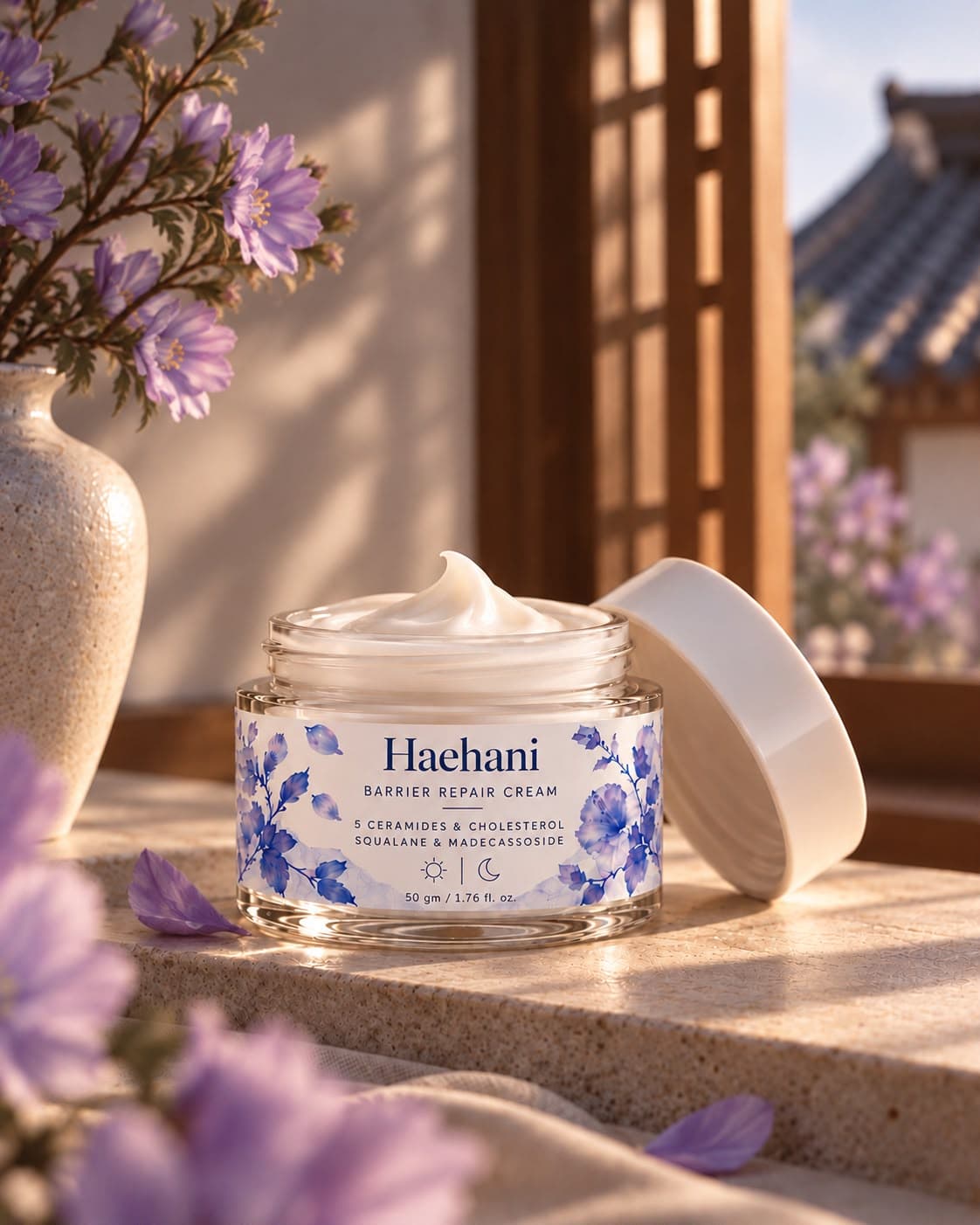
Routine guide, 3 min read
A Korean Skincare Routine for Indian Skin and Weather
What K-beauty gets right, adapted to Indian heat, humidity and pollution, for oily, dry and combination skin.Read the article
Skin barrier, 3 min read
Damaged Skin Barrier: The Signs and How to Repair It
What your skin barrier is, how to tell it’s struggling, and a simple routine to help it recover.Read the article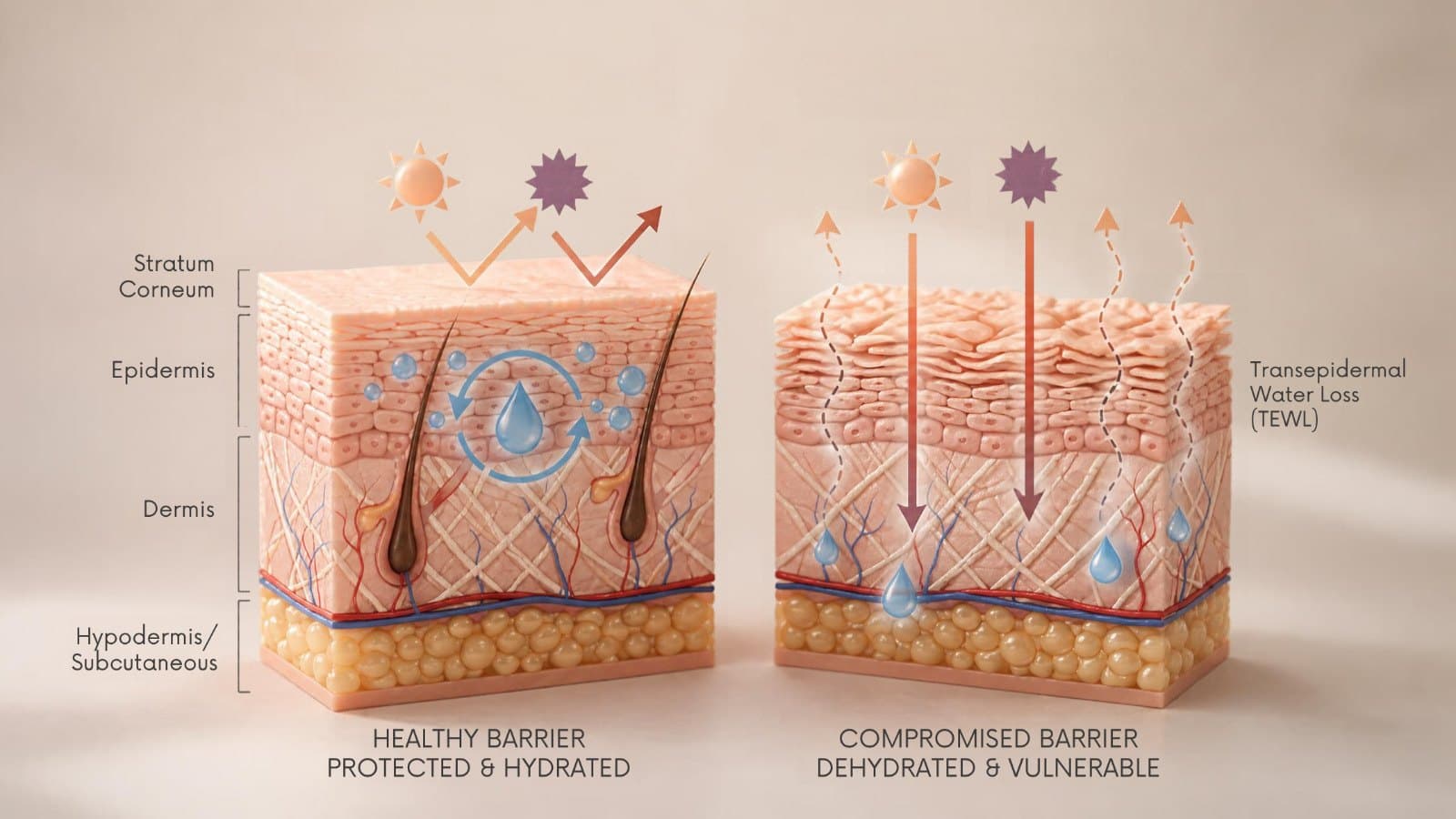
Routine guide, 4 min read
A Simple Daily Skincare Routine for Beginners
A science-backed guide to the few steps your skin actually needs.Read the article
Skin types, 2 min read
What’s Your Type?
A guide to matching skincare to your skin.Read the article
How to, 2 min read
How to Get the Most Out of Your Skincare
Four simple rules that help every product in your routine do its work.Read the article
Ingredients, 2 min read
Understanding Your Skincare Labels
Demystifying what’s inside, from the INCI list to the tiny icons.Read the article