Ingredients, 3 min read
Centella Asiatica (Cica) for Sensitive Skin: Benefits and Uses
Why Korean skincare loves centella, what it does for sensitive and stressed skin, and how to fit a cica serum into your routine.
Published
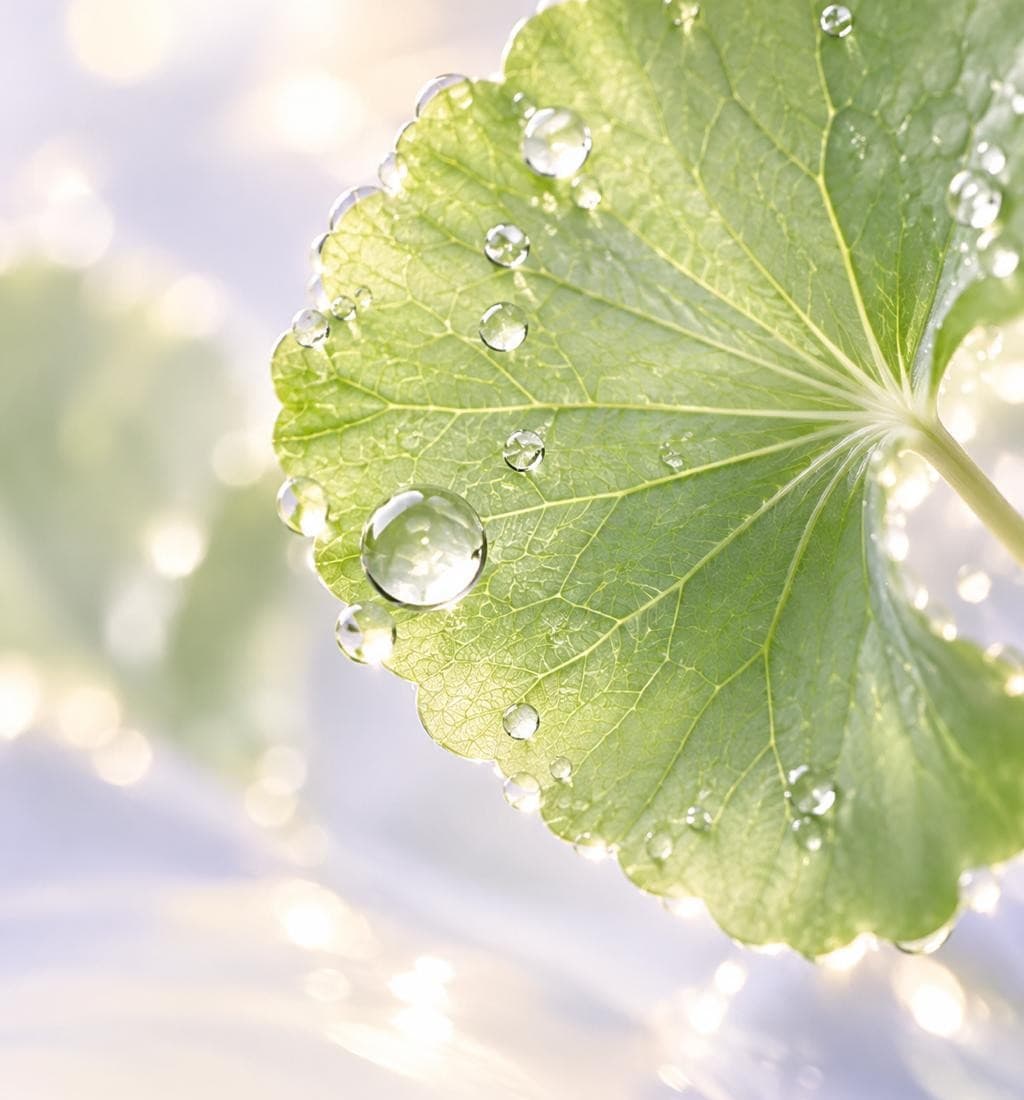
Centella asiatica is a small, round-leaved plant that grows in damp, shady places across Asia, India included, where it is known as mandukaparni. It has a long history in Ayurveda and other traditional medicine. Korean skincare made it famous under the nickname “cica”, and today it is one of the most popular ingredients for sensitive skin.
Its other name, tiger grass, comes from a legend that wounded tigers rolled in it. Whatever the truth of that, centella has earned its place in modern skincare through research on its active compounds.
What’s inside centella
Most of centella’s skincare interest comes from four compounds, together called centellosides:
- Madecassoside: the most studied for soothing; often listed on its own on labels
- Asiaticoside: linked to skin comfort and the barrier
- Madecassic acid and asiatic acid: the two acids that complete the group
On an ingredient list, look for centella asiatica extract, leaf water, or the individual names above.
What centella does for skin
- Soothes: helps calm the look of redness and comfort skin that feels stressed or irritated
- Supports the barrier: helps skin hold on to moisture and stay comfortable
- Plays well with others: it is gentle, so it fits into almost any routine, including one with strong actives
- Light: it usually comes in watery serums and gels that suit humid weather
Centella is a skincare ingredient, not a medicine: it supports and comforts skin, but it doesn’t treat skin conditions.
Who is a cica serum for?
- Sensitive skin: skin that stings, flushes or reacts easily, often a sign of a weakened skin barrier
- Redness-prone skin: skin that turns red with heat, sun or new products
- Oily and acne-prone skin: a light, water-based cica serum hydrates without heaviness and helps calm skin that looks irritated
- Skin on strong actives: a calm, hydrating layer when retinol or acids leave skin feeling raw
- Dry skin: paired with a moisturiser that seals the hydration in
Why centella suits Indian weather
Heat, sweat, strong sun and pollution all put skin under stress, and humid months make heavy creams uncomfortable. A centella serum delivers soothing care in a light, fast-absorbing texture. And because irritation can leave dark marks on Indian skin, keeping skin calm is worth more here than in many other places.
How to use a cica serum
1. Cleanse: Use a gentle cleanser, morning and night, and leave your skin slightly damp.
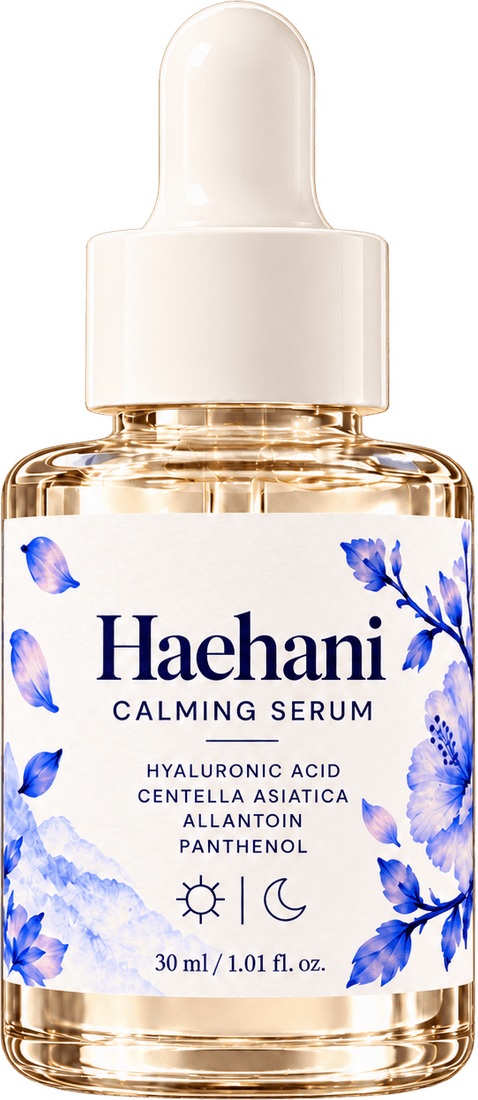
2. Apply the serum: Press two or three drops into your face and neck. Calming Serum pairs centella asiatica with three forms of hyaluronic acid, allantoin and panthenol, so one step both hydrates and comforts.
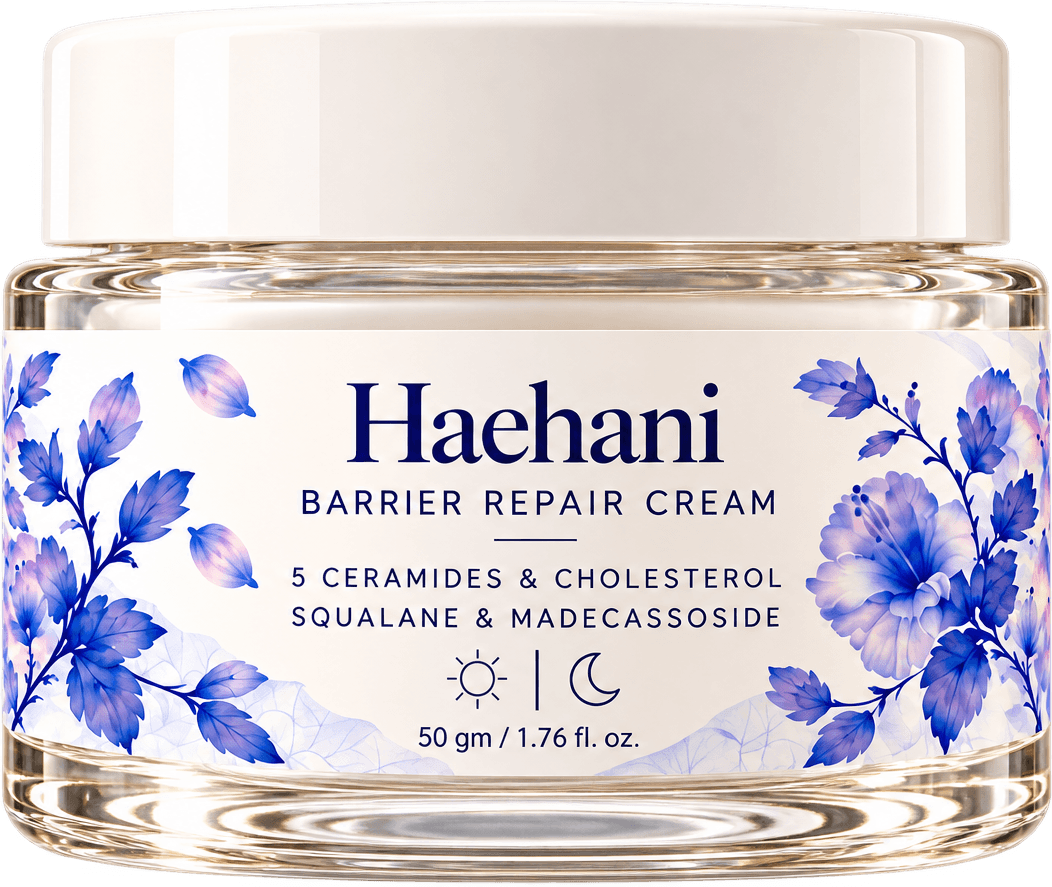
3. Moisturise: Seal the serum in with a moisturiser. Barrier Repair Cream contains madecassoside, one of centella’s key compounds, alongside five ceramides, cholesterol and squalane: a matching second step for sensitive skin.
4. Protect: In the morning, finish with a broad-spectrum sunscreen, SPF 30 or higher.
What to pair centella with
- Hyaluronic acid: centella soothes while hyaluronic acid draws water in
- Ceramides: they help rebuild the barrier that centella helps keep calm
- Niacinamide: a gentle partner for oily and uneven-looking skin
- Retinol and acids: use centella on the same night as a calming layer, or on your nights off them
Quick answers
- Cica or centella: the same plant: cica is the nickname Korean skincare made popular
- Every day: centella is gentle enough for morning and night
- Acne: centella can help calm skin that looks irritated, but it is not an acne treatment; see a dermatologist for acne that won’t settle
- Allergies: rare, but possible with any plant ingredient, so patch-test on your jawline for a few days first
Sources
- Centella asiatica in cosmetology. Bylka W. et al., Postępy Dermatologii i Alergologii, 2013.
- Pharmacological review on Centella asiatica: a potential herbal cure-all. Gohil K.J. et al., Indian Journal of Pharmaceutical Sciences, 2010.
Written for general information, not medical advice. For a skin condition, please see a dermatologist.
More from the journal
All articles
Seasonal care, 3 min read
Winter Skincare Routine for Dry Skin in India
Why skin turns tight and flaky when the weather cools, and a simple routine to keep it soft through an Indian winter.Read the article
Skin basics, 3 min read
Dehydrated vs Dry Skin: How to Tell the Difference
Dry skin lacks oil; dehydrated skin lacks water. How to tell which one you have, and why it changes what your skin needs.Read the article
Seasonal care, 3 min read
Moisturiser for Sensitive Skin in Summer: A Guide for Indian Heat
Why sensitive skin still needs a moisturiser in the heat, what to look for, and how to calm skin flushed by the sun.Read the article
K-beauty, 3 min read
Glass Skin for Indian Skin: What It Is and How to Get It
The dewy K-beauty look, explained honestly, with a simple routine for Indian weather and melanin-rich skin.Read the article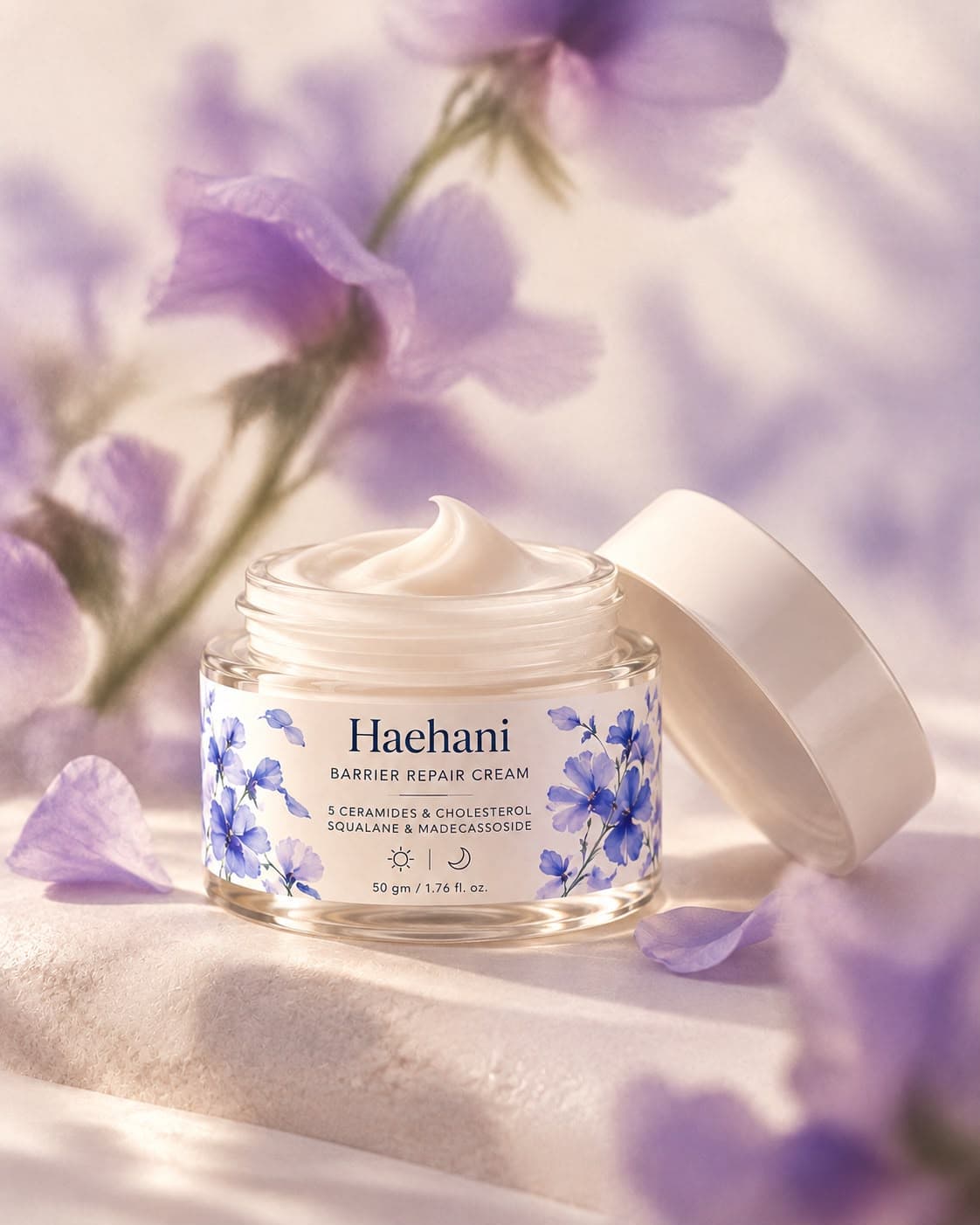
Ingredients, 3 min read
Ceramides Explained: What They Do for Your Skin
What ceramides are, why your skin barrier depends on them, and how to choose and use a ceramide moisturiser.Read the article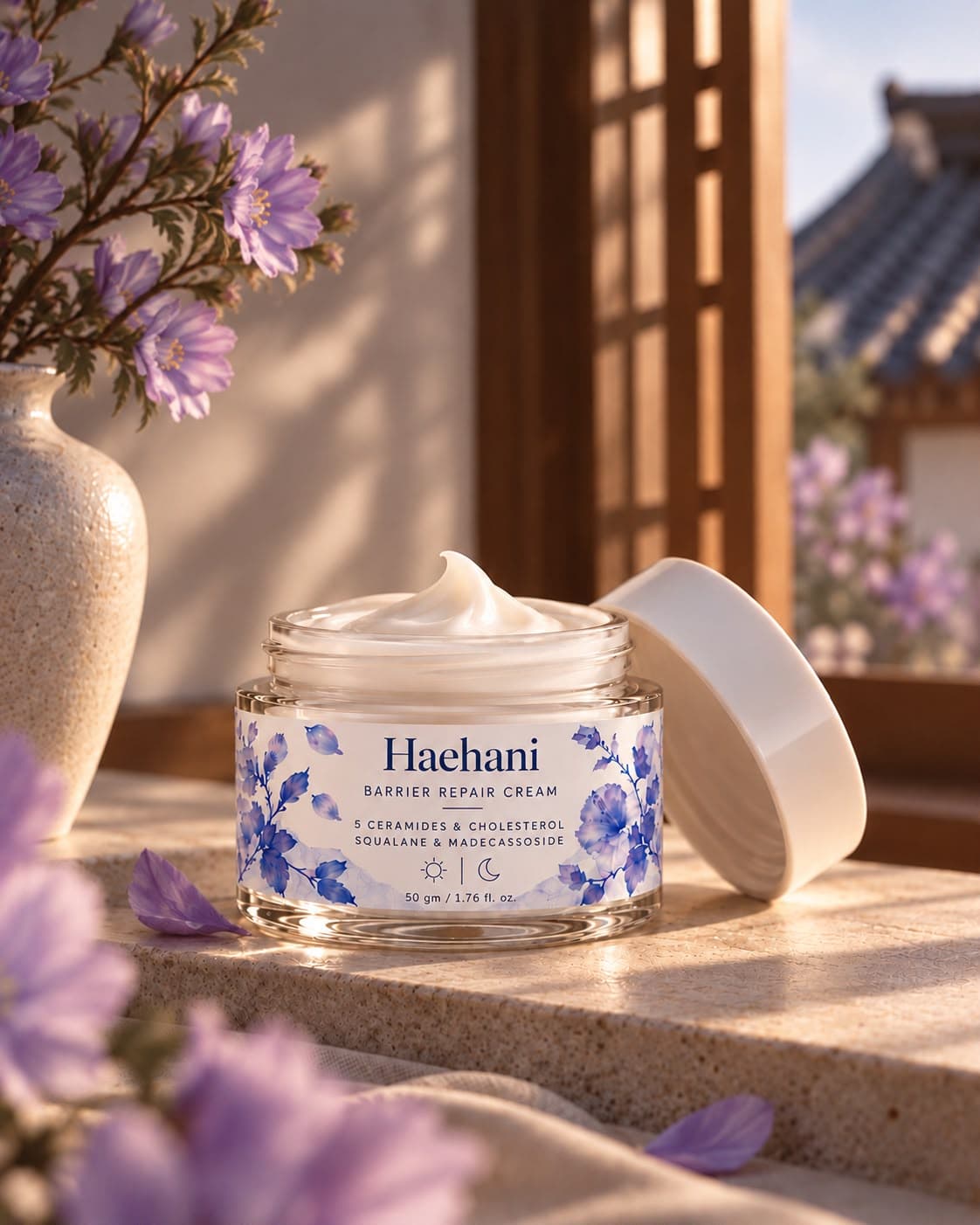
Routine guide, 3 min read
A Korean Skincare Routine for Indian Skin and Weather
What K-beauty gets right, adapted to Indian heat, humidity and pollution, for oily, dry and combination skin.Read the article
Skin barrier, 3 min read
Damaged Skin Barrier: The Signs and How to Repair It
What your skin barrier is, how to tell it’s struggling, and a simple routine to help it recover.Read the article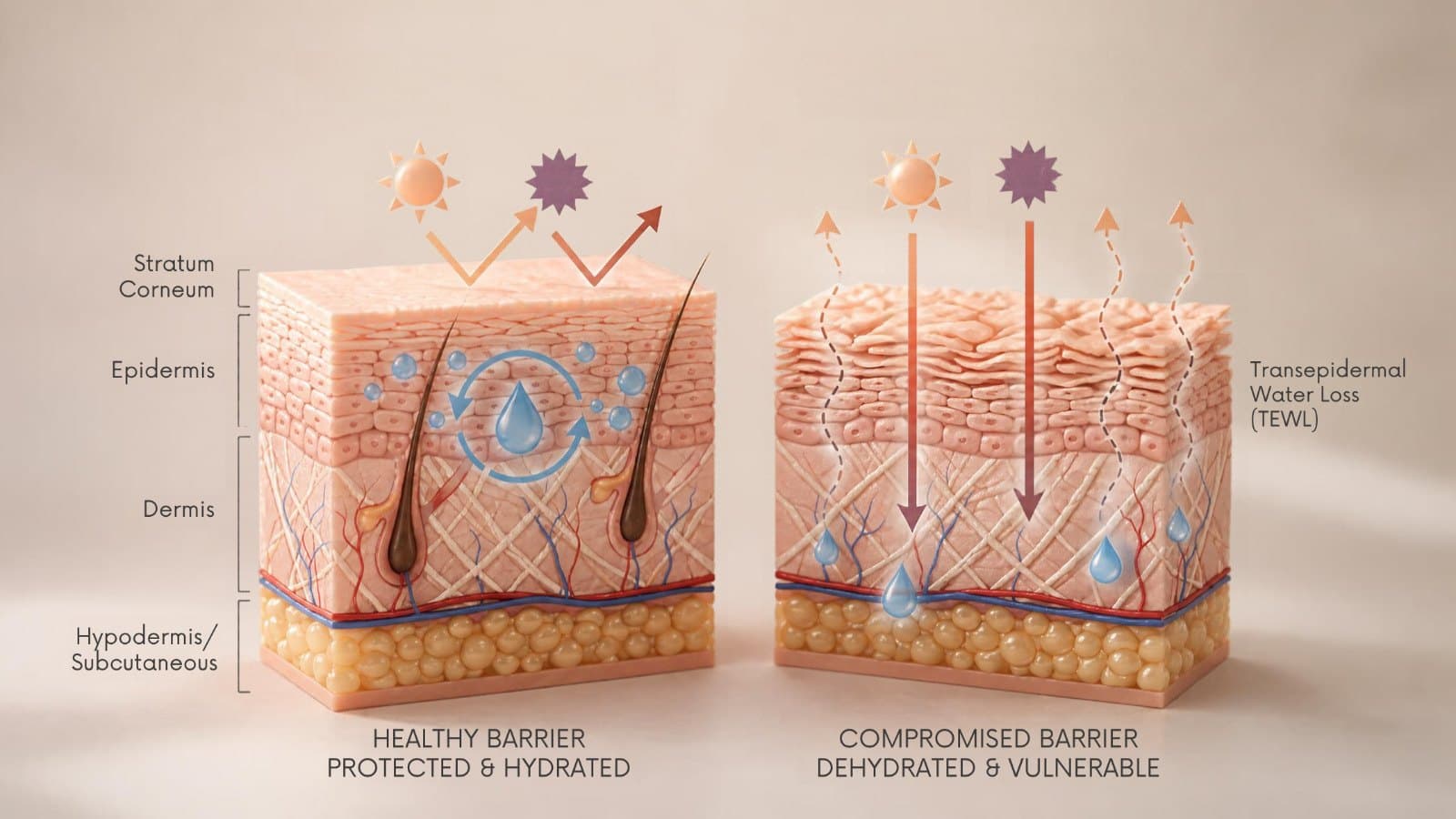
Routine guide, 4 min read
A Simple Daily Skincare Routine for Beginners
A science-backed guide to the few steps your skin actually needs.Read the article
Skin types, 2 min read
What’s Your Type?
A guide to matching skincare to your skin.Read the article
How to, 2 min read
How to Get the Most Out of Your Skincare
Four simple rules that help every product in your routine do its work.Read the article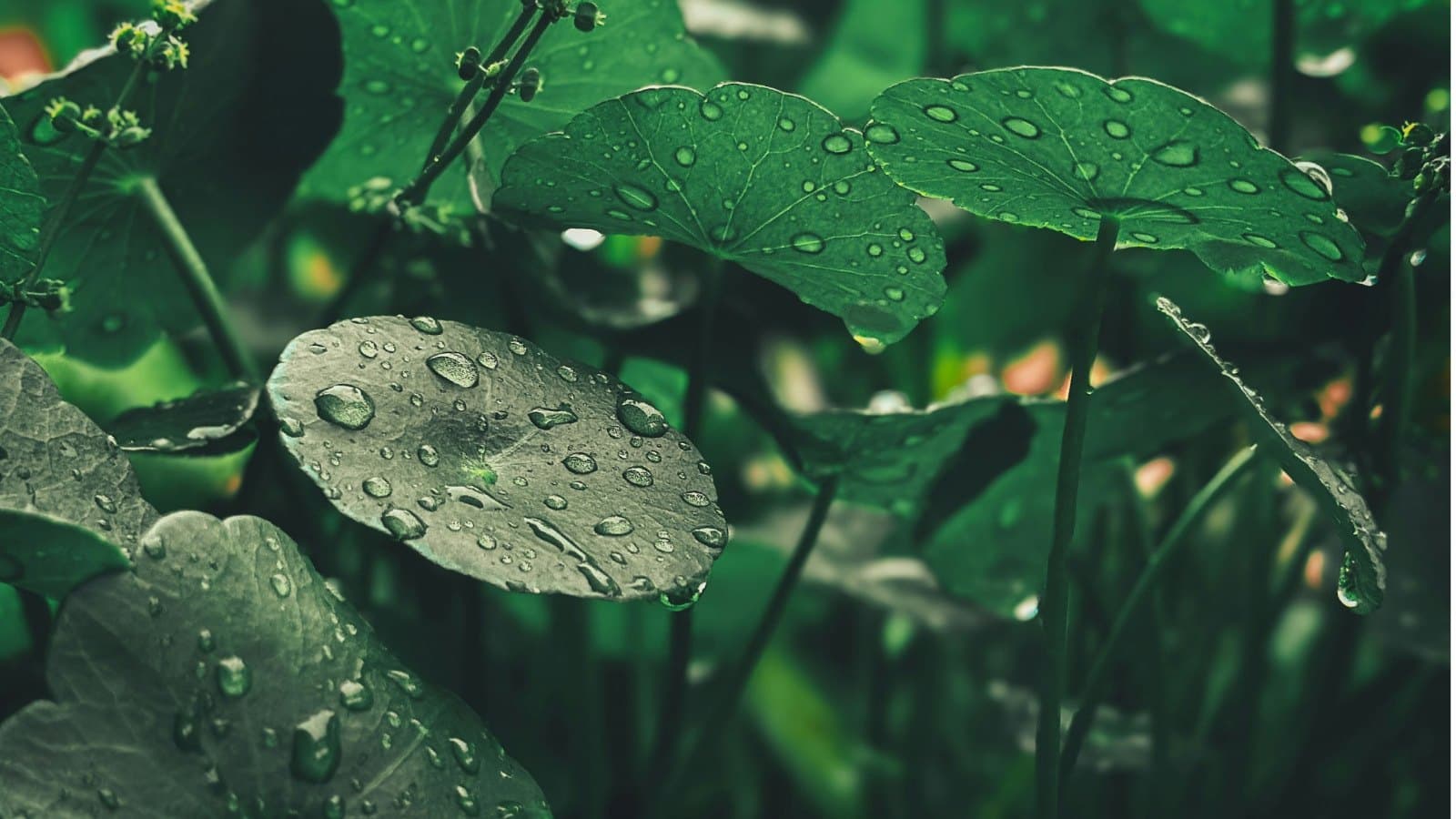
Ingredients, 2 min read
Understanding Your Skincare Labels
Demystifying what’s inside, from the INCI list to the tiny icons.Read the article