Skin barrier, 3 min read
Damaged Skin Barrier: The Signs and How to Repair It
What your skin barrier is, how to tell it’s struggling, and a simple routine to help it recover.
Published
A product you have used for years suddenly stings. Your skin feels tight an hour after washing, yet looks oily by lunchtime. Redness appears where there was none. These are often signs of a stressed skin barrier: one of the most common skin concerns, and one of the most manageable once you know what is going on.
What is the skin barrier?
The science: Your skin barrier is the outermost layer of your skin. Think of it as a brick wall: skin cells are the bricks, and a mix of lipids holds them together like mortar. Roughly half of that mortar is ceramides; the rest is mostly cholesterol and fatty acids.
The barrier has two jobs: keep water in, and keep irritants, pollution and microbes out. When the mortar runs low, water escapes more easily (dermatologists call this transepidermal water loss), and irritants get in more easily. That is when skin starts to feel dry, tight and reactive.
Signs your skin barrier is damaged
- Stinging or burning: products sting when you apply them, even gentle ones
- Tightness: skin feels a size too small after cleansing
- Dryness and flaking: rough patches, especially around the nose and cheeks
- Redness and sensitivity: flushing or irritation that comes and goes
- Dehydrated yet oily: skin that lacks water can produce more oil to compensate, which is common in humid Indian summers
- Breakouts and dullness: more spots than usual, or skin that looks dull and uneven
What damages the skin barrier
- Over-cleansing: washing several times a day, or using harsh, very foamy face washes that strip the skin’s natural oils
- Too many actives at once: layering retinol, exfoliating acids and vitamin C in the same routine
- Over-exfoliating: daily scrubs, peel pads or rough cloths
- Some kitchen remedies: lemon juice is very acidic and baking soda very alkaline, both far from the skin’s natural pH of about 5.5
- Weather and environment: heat, sweat and humidity, moving between hot streets and dry air-conditioned rooms, dry North Indian winters, pollution and strong sun
- Hot water: very hot water, long showers and hard water
How to repair a damaged skin barrier
1. Pause and simplify: For the next two to four weeks, stop retinoids, exfoliating acids and scrubs. Fewer products give your skin room to recover.
2. Cleanse gently: Use a mild, low-foam, pH-balanced cleanser and lukewarm water. If your skin is very sensitive, a cleanser at night and a water rinse in the morning is enough.
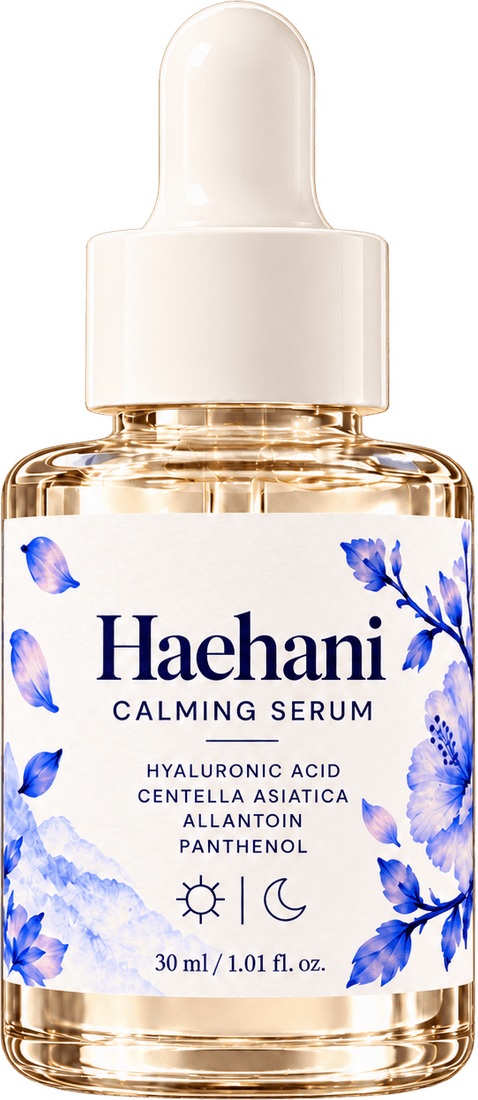
3. Hydrate and calm: On damp skin, apply a serum with humectants such as hyaluronic acid and glycerin, which draw water into the skin, and calming ingredients such as centella asiatica (cica), panthenol and allantoin. Calming Serum brings together three forms of hyaluronic acid with centella asiatica, allantoin and panthenol to hydrate and comfort stressed skin.
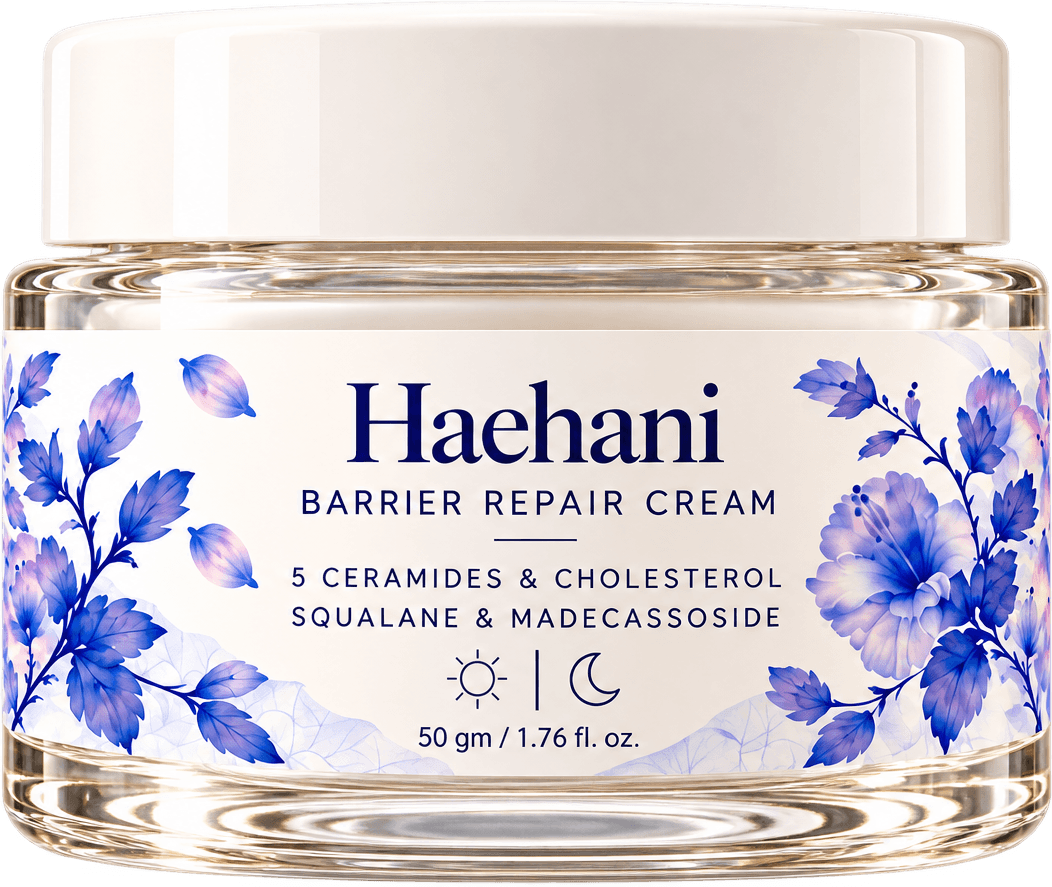
4. Replenish the lipids: This is the step that rebuilds the mortar. Look for a skin barrier cream with ceramides, cholesterol and fatty acids: the same lipids your barrier is made of. Barrier Repair Cream combines five ceramides with cholesterol and squalane to replenish moisture and support the skin’s natural protective barrier, with madecassoside to help soothe visible redness.
5. Protect: Apply a broad-spectrum SPF 30 or higher every morning, even indoors near a window. UV exposure slows the barrier’s recovery.
6. Be patient: Your skin renews its outer layer roughly once a month. Many people notice less stinging and tightness within two weeks, but give it four weeks before judging.
A simple barrier-recovery routine
- Morning: gentle cleanse or water rinse, Calming Serum on damp skin, Barrier Repair Cream, then sunscreen
- Night: gentle cleanse, Calming Serum, then Barrier Repair Cream
When your skin no longer stings, bring back one active at a time, two or three nights a week, and watch how your skin responds before adding the next. If your skin is very reactive, patch-test any new product on your inner arm or jawline first.
When to see a dermatologist
If stinging, redness, itching or a rash lasts beyond a few weeks, gets worse, or comes with swelling or broken skin, see a dermatologist. It may be a condition such as eczema, rosacea or an allergy that needs proper diagnosis. Good skincare supports your skin; it doesn’t replace medical care.
Sources
- Anti-inflammatory and skin barrier repair effects of topical application of some plant oils. Lin T.-K. et al., International Journal of Molecular Sciences, 2017.
- The role of moisturizers in addressing various kinds of dermatitis: a review. Purnamawati S. et al., Clinical Medicine & Research, 2017.
- Face washing 101. American Academy of Dermatology.
Written for general information, not medical advice. For a skin condition, please see a dermatologist.
More from the journal
All articles
Seasonal care, 3 min read
Winter Skincare Routine for Dry Skin in India
Why skin turns tight and flaky when the weather cools, and a simple routine to keep it soft through an Indian winter.Read the article
Skin basics, 3 min read
Dehydrated vs Dry Skin: How to Tell the Difference
Dry skin lacks oil; dehydrated skin lacks water. How to tell which one you have, and why it changes what your skin needs.Read the article
Ingredients, 3 min read
Centella Asiatica (Cica) for Sensitive Skin: Benefits and Uses
Why Korean skincare loves centella, what it does for sensitive and stressed skin, and how to fit a cica serum into your routine.Read the article
Seasonal care, 3 min read
Moisturiser for Sensitive Skin in Summer: A Guide for Indian Heat
Why sensitive skin still needs a moisturiser in the heat, what to look for, and how to calm skin flushed by the sun.Read the article
K-beauty, 3 min read
Glass Skin for Indian Skin: What It Is and How to Get It
The dewy K-beauty look, explained honestly, with a simple routine for Indian weather and melanin-rich skin.Read the article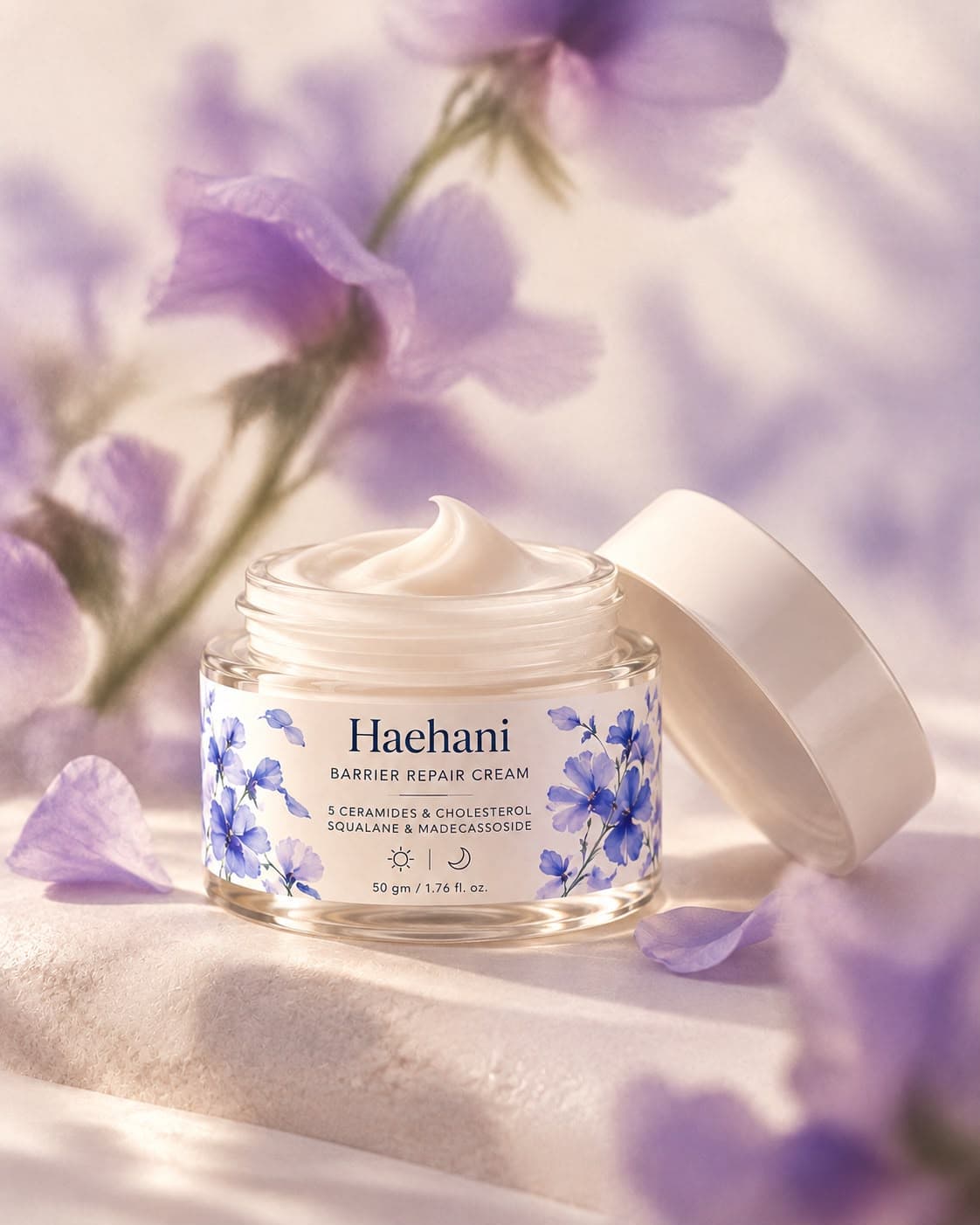
Ingredients, 3 min read
Ceramides Explained: What They Do for Your Skin
What ceramides are, why your skin barrier depends on them, and how to choose and use a ceramide moisturiser.Read the article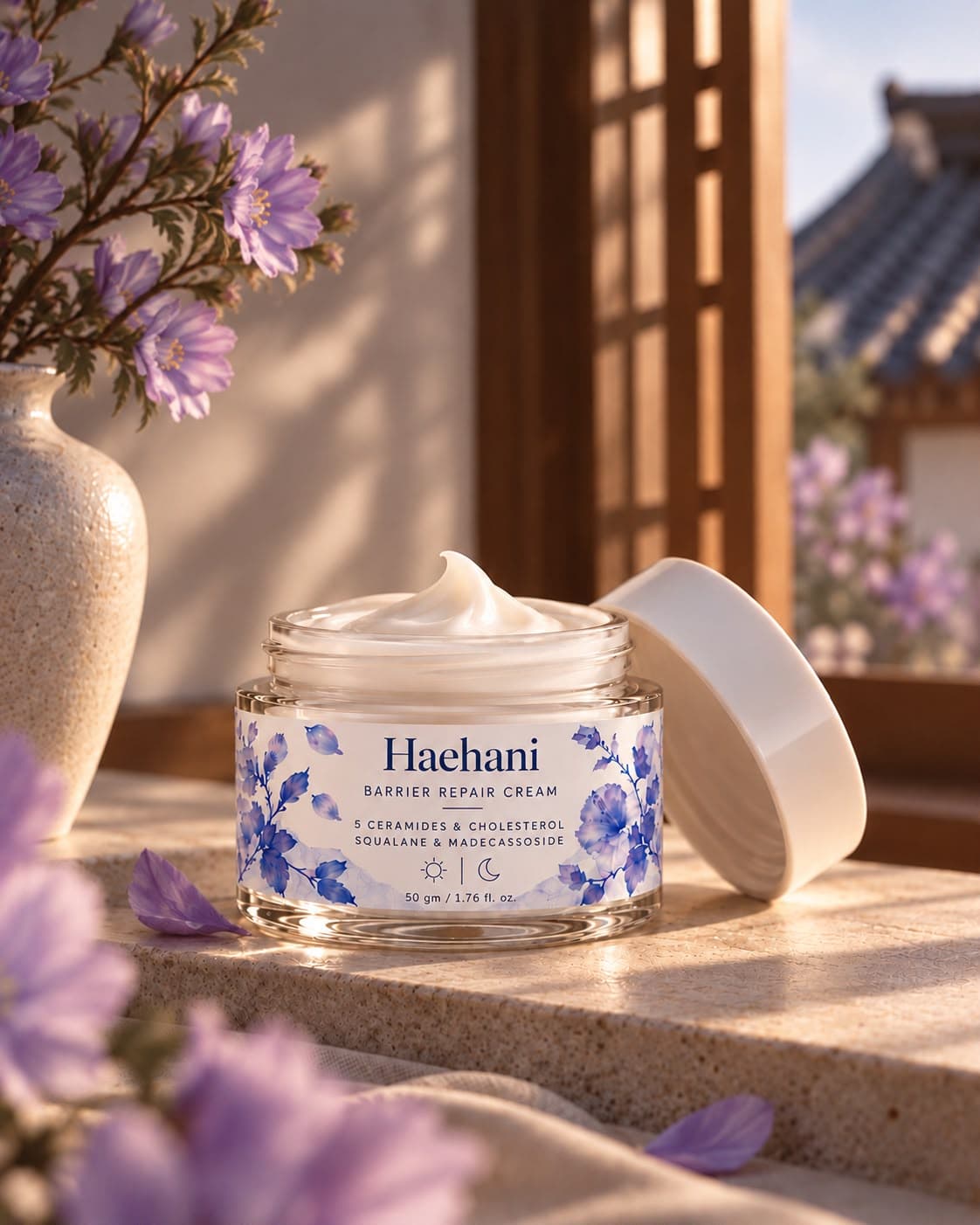
Routine guide, 3 min read
A Korean Skincare Routine for Indian Skin and Weather
What K-beauty gets right, adapted to Indian heat, humidity and pollution, for oily, dry and combination skin.Read the article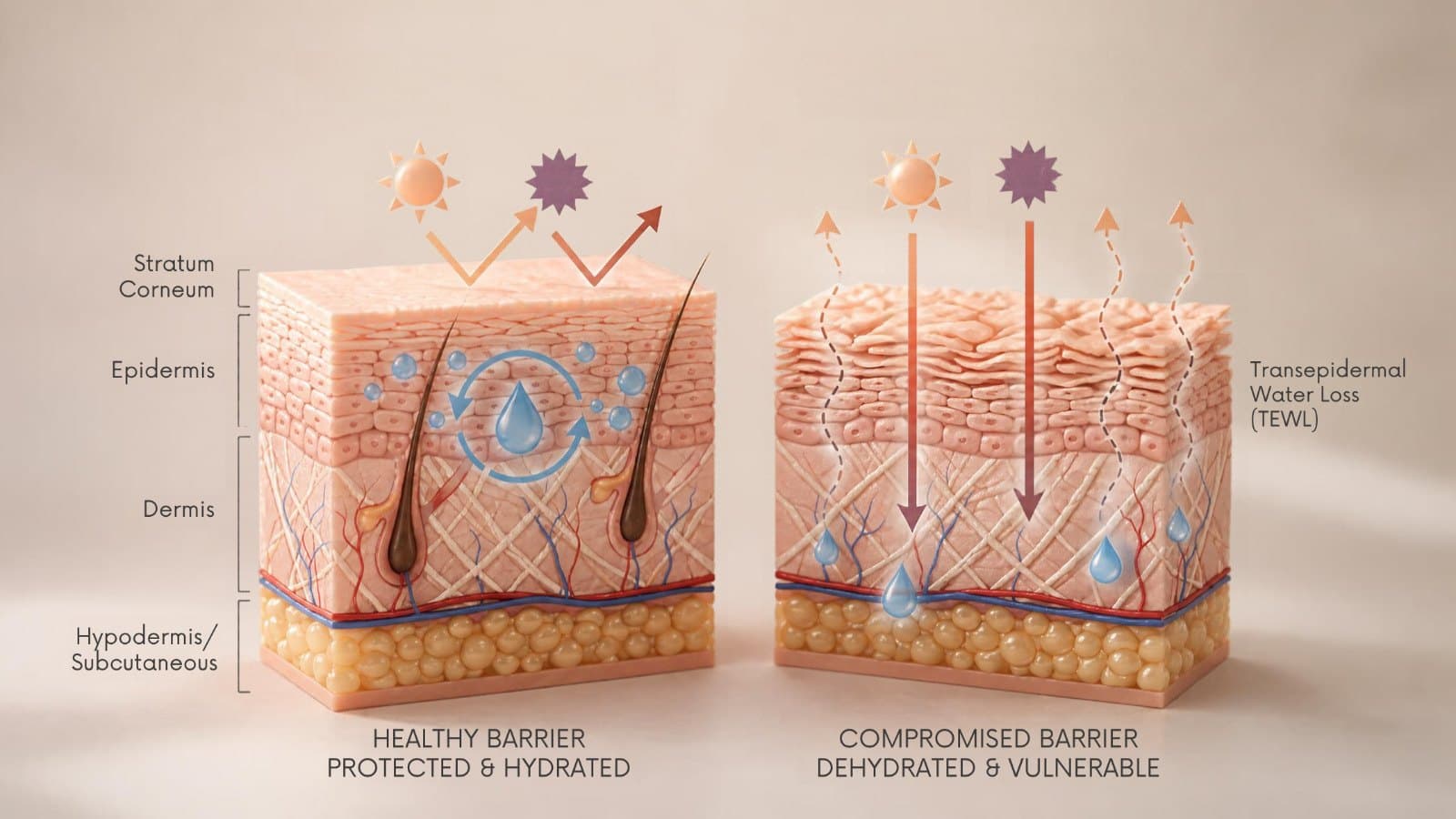
Routine guide, 4 min read
A Simple Daily Skincare Routine for Beginners
A science-backed guide to the few steps your skin actually needs.Read the article
Skin types, 2 min read
What’s Your Type?
A guide to matching skincare to your skin.Read the article
How to, 2 min read
How to Get the Most Out of Your Skincare
Four simple rules that help every product in your routine do its work.Read the article
Ingredients, 2 min read
Understanding Your Skincare Labels
Demystifying what’s inside, from the INCI list to the tiny icons.Read the article