Ingredients, 2 min read
Understanding Your Skincare Labels
Demystifying what’s inside, from the INCI list to the tiny icons.
Published
Decoding the back of a skincare package can feel like trying to read a foreign language. Complex chemical terms and botanical Latin names make it difficult to know what you’re actually putting on your face.
However, regulations require skincare brands to list what’s inside, and knowing how to read that list is the best way to shop mindfully for your skin. Here is your quick guide to reading skincare labels like a pro.
1. Meet the INCI list
Ingredients are listed by their INCI names (the International Nomenclature of Cosmetic Ingredients), so the same ingredient carries the same name on every label.
The rule of order: Ingredients are listed in descending order of concentration. The top five to seven ingredients usually make up the vast majority of the product (often 80–90%). The first ingredient is almost always Aqua (water) or a botanical juice, which serves as the base.
The 1% rule: Once an ingredient’s concentration falls below 1%, the brand can list them in any order. This is where you’ll typically find preservatives, fragrances, and extracts, at the very bottom of the list.
2. Spotting the actives
“Actives” are the ingredients that target specific concerns (like dark spots or fine lines). Look for well-known actives near the top or middle of the INCI list, such as:
- Niacinamide (Vitamin B3): for barrier support and brightening.
- Salicylic Acid (BHA): for clearing pores.
- Hyaluronic Acid / Sodium Hyaluronate: for multi-depth hydration.
- Retinol: for signs of aging.
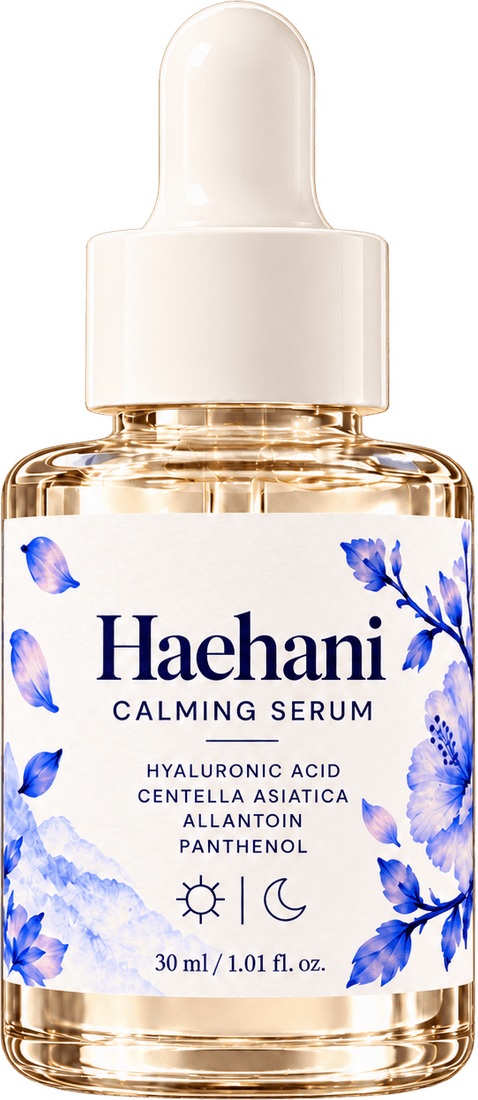
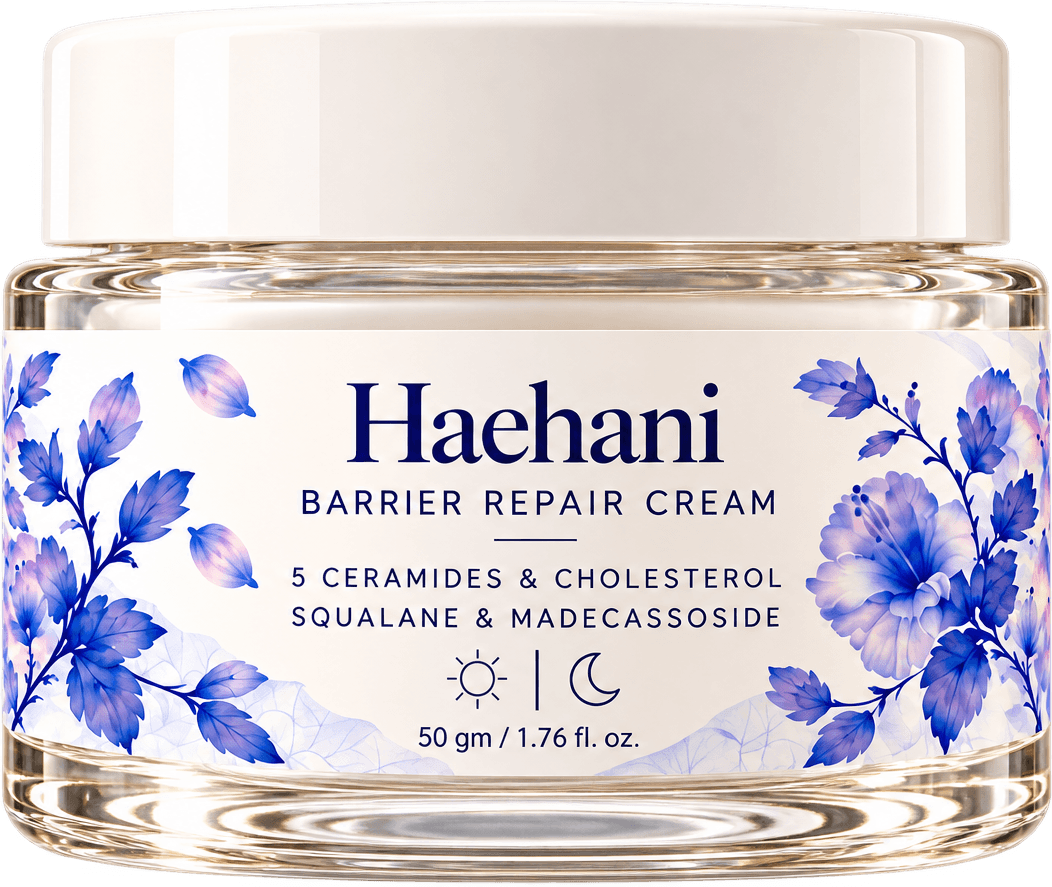
- Panthenol (Pro-Vitamin B5): found in our Barrier Repair Cream and Calming Serum, a much-loved ingredient for comforting skin and supporting barrier repair.
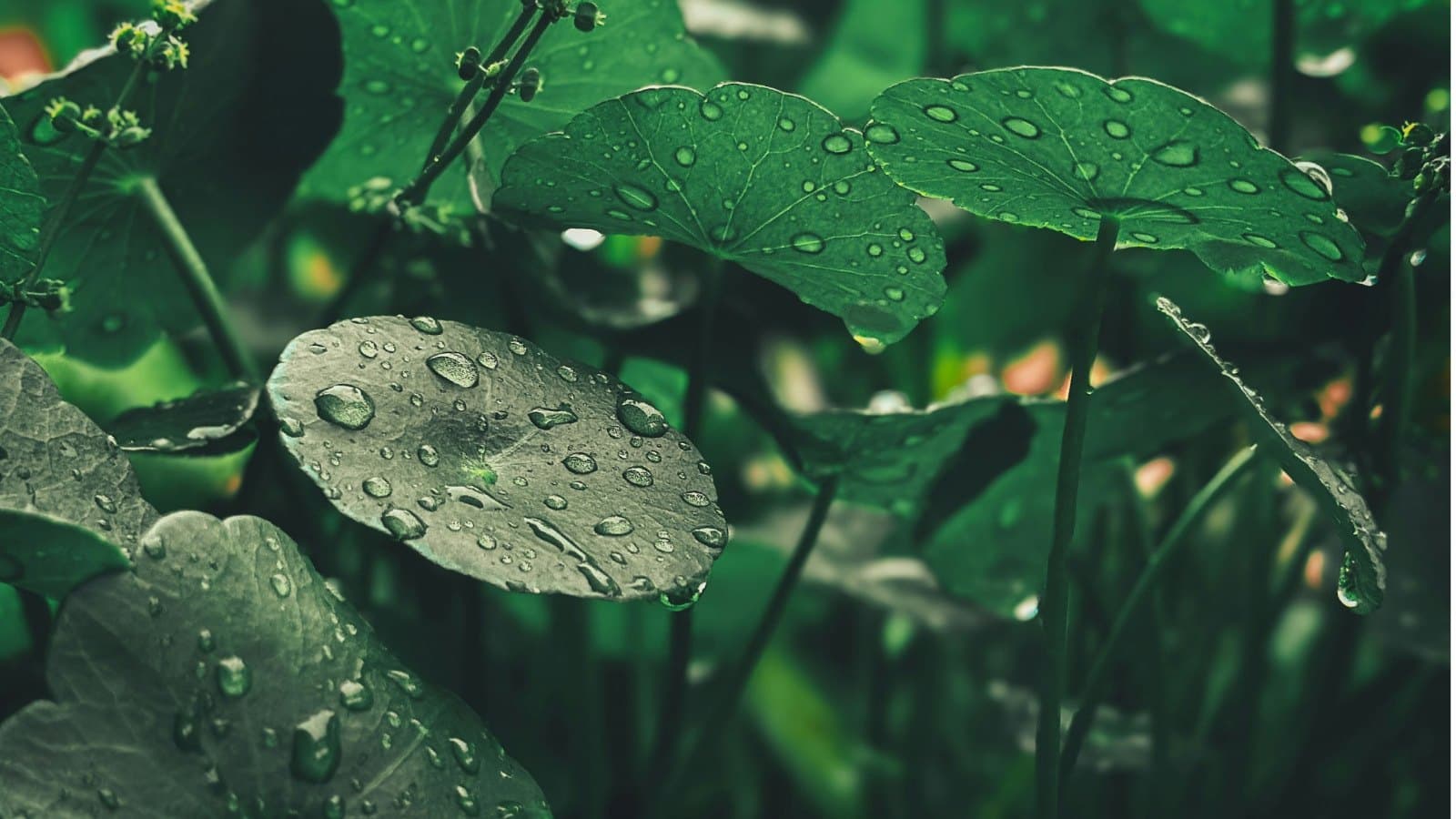
- Centella Asiatica: the star soothing ingredient in our Calming Serum (more on centella), known for helping calm the look of redness.
3. Botanical names vs. chemicals
Don’t be scared by long, difficult-to-pronounce scientific names.
For example, on the label of our Calming Serum you will see Centella Asiatica, the botanical name for Tiger Grass, a plant long used in traditional skincare for its soothing properties. Similarly, Panthenol might sound clinical, but it is simply a provitamin that your skin readily absorbs, helping support its lipid barrier. On the flip side, some “chemicals,” like Sodium Hyaluronate (a form of Hyaluronic Acid), are close to what occurs naturally in the human body, and are gentle and hydrating.
4. The tiny icons that matter
- PAO (Period After Opening): Look for a tiny open-jar icon on the back of the package with a number inside (e.g. “6M” or “12M”). It shows how many months the product stays safe and effective after you open it. Natural, preservative-free formulas often have a shorter PAO.
- Cruelty-free / Leaping Bunny: Shows that the formula was never tested on animals.
Sources
- The role of moisturizers in addressing various kinds of dermatitis: a review. Purnamawati S. et al., Clinical Medicine & Research, 2017.
- Centella asiatica in cosmetology. Bylka W. et al., Postępy Dermatologii i Alergologii, 2013.
Written for general information, not medical advice. For a skin condition, please see a dermatologist.
More from the journal
All articles
Seasonal care, 3 min read
Winter Skincare Routine for Dry Skin in India
Why skin turns tight and flaky when the weather cools, and a simple routine to keep it soft through an Indian winter.Read the article
Skin basics, 3 min read
Dehydrated vs Dry Skin: How to Tell the Difference
Dry skin lacks oil; dehydrated skin lacks water. How to tell which one you have, and why it changes what your skin needs.Read the article
Ingredients, 3 min read
Centella Asiatica (Cica) for Sensitive Skin: Benefits and Uses
Why Korean skincare loves centella, what it does for sensitive and stressed skin, and how to fit a cica serum into your routine.Read the article
Seasonal care, 3 min read
Moisturiser for Sensitive Skin in Summer: A Guide for Indian Heat
Why sensitive skin still needs a moisturiser in the heat, what to look for, and how to calm skin flushed by the sun.Read the article
K-beauty, 3 min read
Glass Skin for Indian Skin: What It Is and How to Get It
The dewy K-beauty look, explained honestly, with a simple routine for Indian weather and melanin-rich skin.Read the article
Ingredients, 3 min read
Ceramides Explained: What They Do for Your Skin
What ceramides are, why your skin barrier depends on them, and how to choose and use a ceramide moisturiser.Read the article
Routine guide, 3 min read
A Korean Skincare Routine for Indian Skin and Weather
What K-beauty gets right, adapted to Indian heat, humidity and pollution, for oily, dry and combination skin.Read the article
Skin barrier, 3 min read
Damaged Skin Barrier: The Signs and How to Repair It
What your skin barrier is, how to tell it’s struggling, and a simple routine to help it recover.Read the article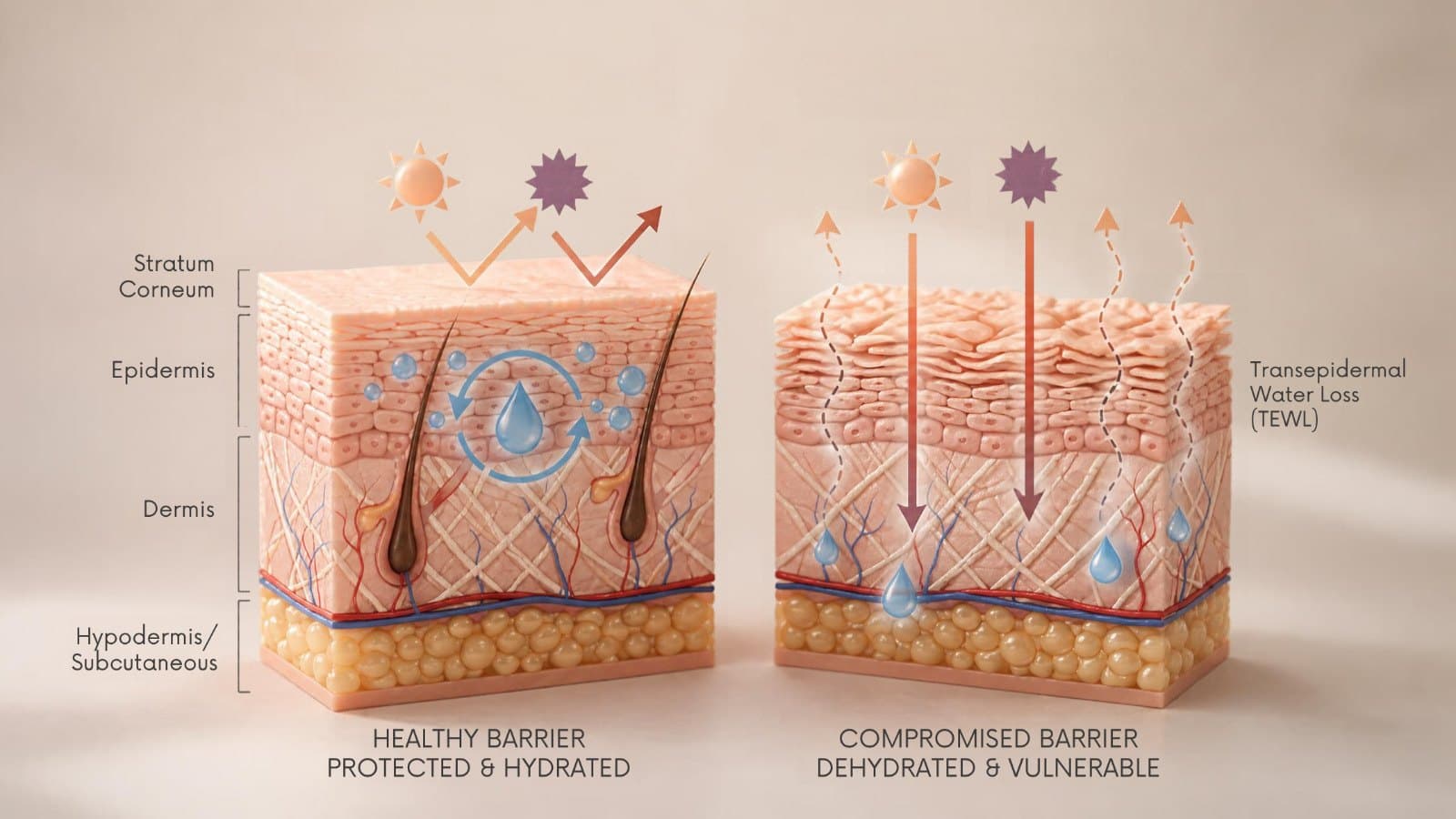
Routine guide, 4 min read
A Simple Daily Skincare Routine for Beginners
A science-backed guide to the few steps your skin actually needs.Read the article
Skin types, 2 min read
What’s Your Type?
A guide to matching skincare to your skin.Read the article
How to, 2 min read
How to Get the Most Out of Your Skincare
Four simple rules that help every product in your routine do its work.Read the article