Ingredients, 3 min read
Ceramides Explained: What They Do for Your Skin
What ceramides are, why your skin barrier depends on them, and how to choose and use a ceramide moisturiser.
Published
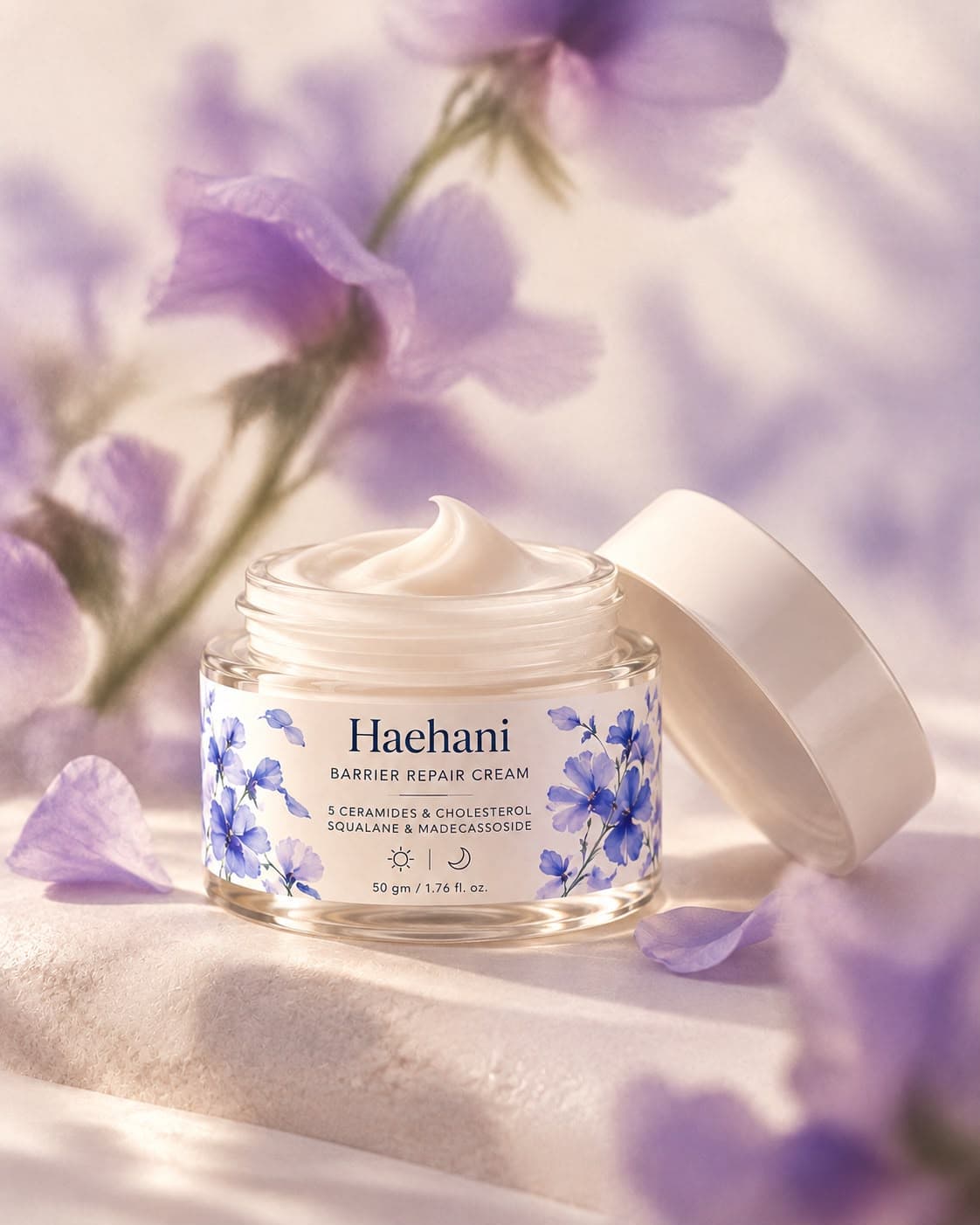
Ceramides now appear on the front of many moisturisers, and for good reason. They are one of the building blocks of your skin barrier, the layer that keeps water in and irritants out. Here is what they are, what they do, and how to get the most from a ceramide cream.
What are ceramides?
The science: Ceramides are lipids (fats) that your skin makes itself. In its outermost layer, skin cells sit like bricks in a wall, held together by a lipid “mortar”. Roughly half of that mortar is ceramides; most of the rest is cholesterol and fatty acids.
Your skin uses many kinds of ceramides. On ingredient labels you will see names such as ceramide NP, AP, EOP, NS or AS. Those used in skincare are usually made in the lab to match the ones in your skin, which is why they are often called skin-identical.
What ceramides do for your skin
- Hold water in: they help slow the water your skin loses to the air
- Keep irritants out: a well-sealed barrier lets less pollution and fewer irritants through
- Softness: skin with enough lipids feels smoother and less tight
- Comfort: dry, sensitive skin usually feels calmer when its barrier is well supplied
Why skin runs low on ceramides
- Age: skin makes fewer ceramides as we get older
- Harsh cleansing: strong, very foamy face washes and frequent washing strip lipids away
- Over-exfoliating: daily scrubs, peels and too many acids wear the barrier down
- Dry air: air-conditioned rooms and dry North Indian winters pull water from the skin faster than it can be replaced
- Sun: UV exposure weakens the barrier over time
- Some skin conditions: very dry and eczema-prone skin is often low in ceramides; if you think you have eczema, see a dermatologist
Ceramides, cholesterol and fatty acids: why the mix matters
Your barrier is not made of ceramides alone, and research on barrier care suggests lipids work best together, in a balance close to the skin’s own. That is why a well-made barrier cream pairs ceramides with cholesterol and other skin-friendly lipids.
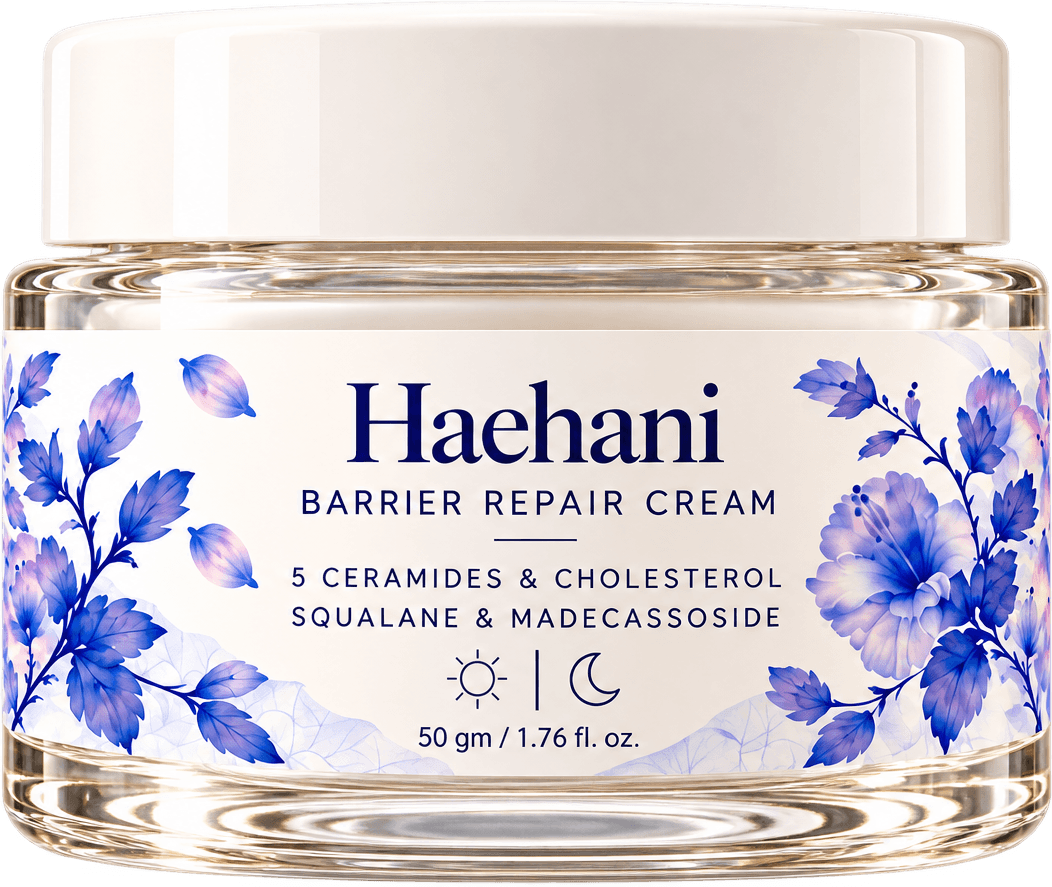
Barrier Repair Cream follows that idea: five ceramides with cholesterol, lipids naturally found in the skin barrier, plus squalane, which is similar to an oil your skin makes itself, and madecassoside from centella asiatica to help soothe visible redness. Together they help replenish moisture and support the skin’s natural protective barrier.
Who needs a ceramide moisturiser?
- Dry skin: the most obvious match: it is short on lipids to begin with
- Sensitive skin: a stronger barrier lets fewer irritants through
- Oily and acne-prone skin: oily skin can still lack water, and drying acne products leave skin tight; a thin layer of a ceramide cream helps it feel comfortable
- Combination skin: a thin layer on the T-zone, a little more on the cheeks
- Everyone in AC or winter: dry air affects every skin type; see our winter routine for dry skin
How to use a ceramide cream
When: Morning and night, as the last step of your routine before sunscreen.
How much: About a pea-sized amount for the whole face. Use less in humid summers and more in dry winters.
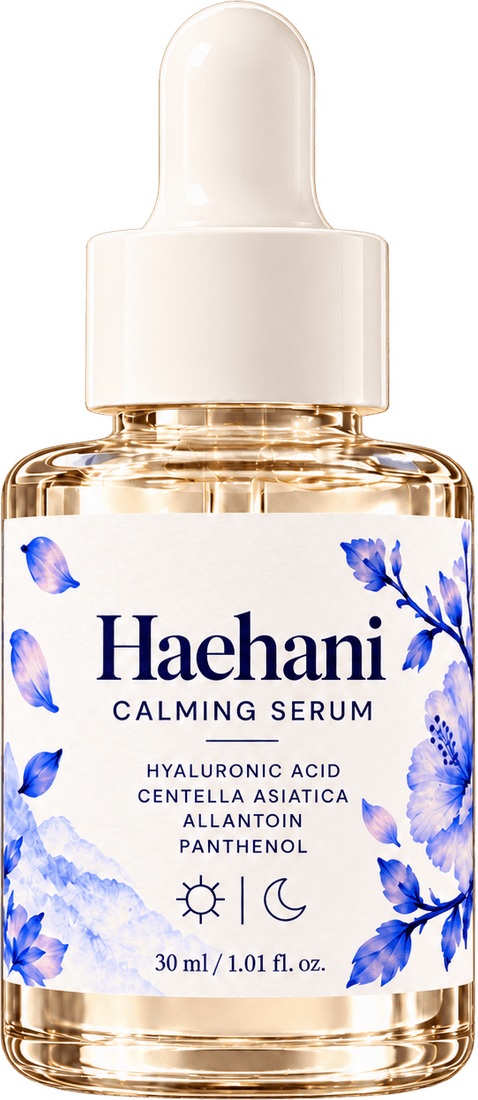
What goes underneath: Ceramides seal in; humectants such as hyaluronic acid draw water in. Apply a hydrating serum like Calming Serum on damp skin first, then the cream on top to hold that water in.
With actives: Ceramides pair well with niacinamide, vitamin C and retinol. If retinol or acids leave your skin dry, a ceramide cream afterwards can help it stay comfortable.
How to choose a ceramide moisturiser
- Check the ingredient list: look for ceramide names (ceramide NP, AP, EOP and so on), ideally alongside cholesterol
- Pick a texture for your weather: a lighter cream for humid cities, a richer layer for dry winters
- Look at the whole formula: soothing ingredients such as centella or panthenol help sensitive skin
- Patch-test: try any new product on your jawline for a few days first
Quick answers
- Pores: ceramides themselves are not known to clog pores, but the whole formula matters, so patch-test if you are acne-prone
- Every day: ceramides suit daily use, morning and night, all year round
- Timing: many people feel softer, more comfortable skin within days; give it four weeks before judging
Sources
- The role of moisturizers in addressing various kinds of dermatitis: a review. Purnamawati S. et al., Clinical Medicine & Research, 2017.
- Anti-inflammatory and skin barrier repair effects of topical application of some plant oils. Lin T.-K. et al., International Journal of Molecular Sciences, 2017.
Written for general information, not medical advice. For a skin condition, please see a dermatologist.
More from the journal
All articles
Seasonal care, 3 min read
Winter Skincare Routine for Dry Skin in India
Why skin turns tight and flaky when the weather cools, and a simple routine to keep it soft through an Indian winter.Read the article
Skin basics, 3 min read
Dehydrated vs Dry Skin: How to Tell the Difference
Dry skin lacks oil; dehydrated skin lacks water. How to tell which one you have, and why it changes what your skin needs.Read the article
Ingredients, 3 min read
Centella Asiatica (Cica) for Sensitive Skin: Benefits and Uses
Why Korean skincare loves centella, what it does for sensitive and stressed skin, and how to fit a cica serum into your routine.Read the article
Seasonal care, 3 min read
Moisturiser for Sensitive Skin in Summer: A Guide for Indian Heat
Why sensitive skin still needs a moisturiser in the heat, what to look for, and how to calm skin flushed by the sun.Read the article
K-beauty, 3 min read
Glass Skin for Indian Skin: What It Is and How to Get It
The dewy K-beauty look, explained honestly, with a simple routine for Indian weather and melanin-rich skin.Read the article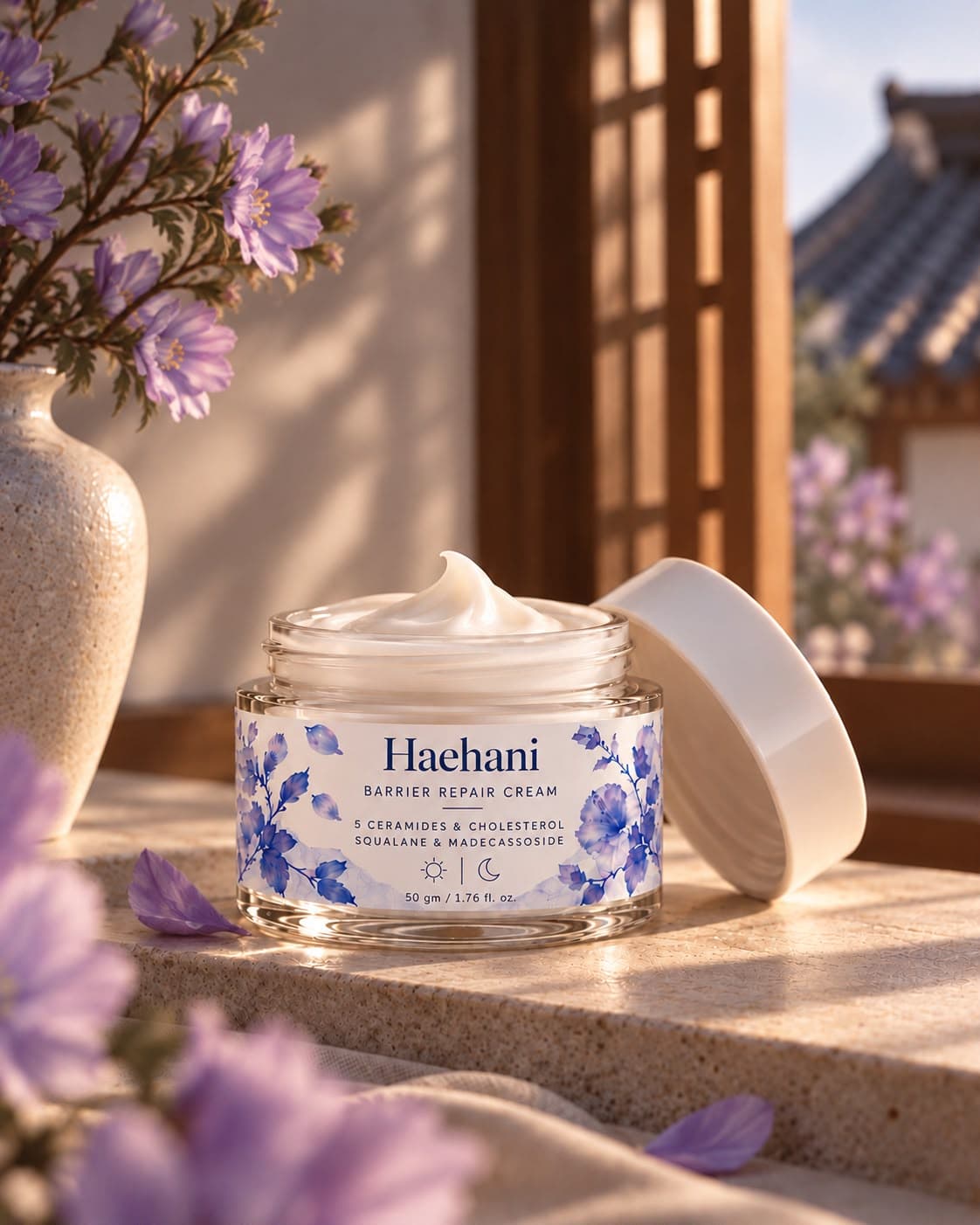
Routine guide, 3 min read
A Korean Skincare Routine for Indian Skin and Weather
What K-beauty gets right, adapted to Indian heat, humidity and pollution, for oily, dry and combination skin.Read the article
Skin barrier, 3 min read
Damaged Skin Barrier: The Signs and How to Repair It
What your skin barrier is, how to tell it’s struggling, and a simple routine to help it recover.Read the article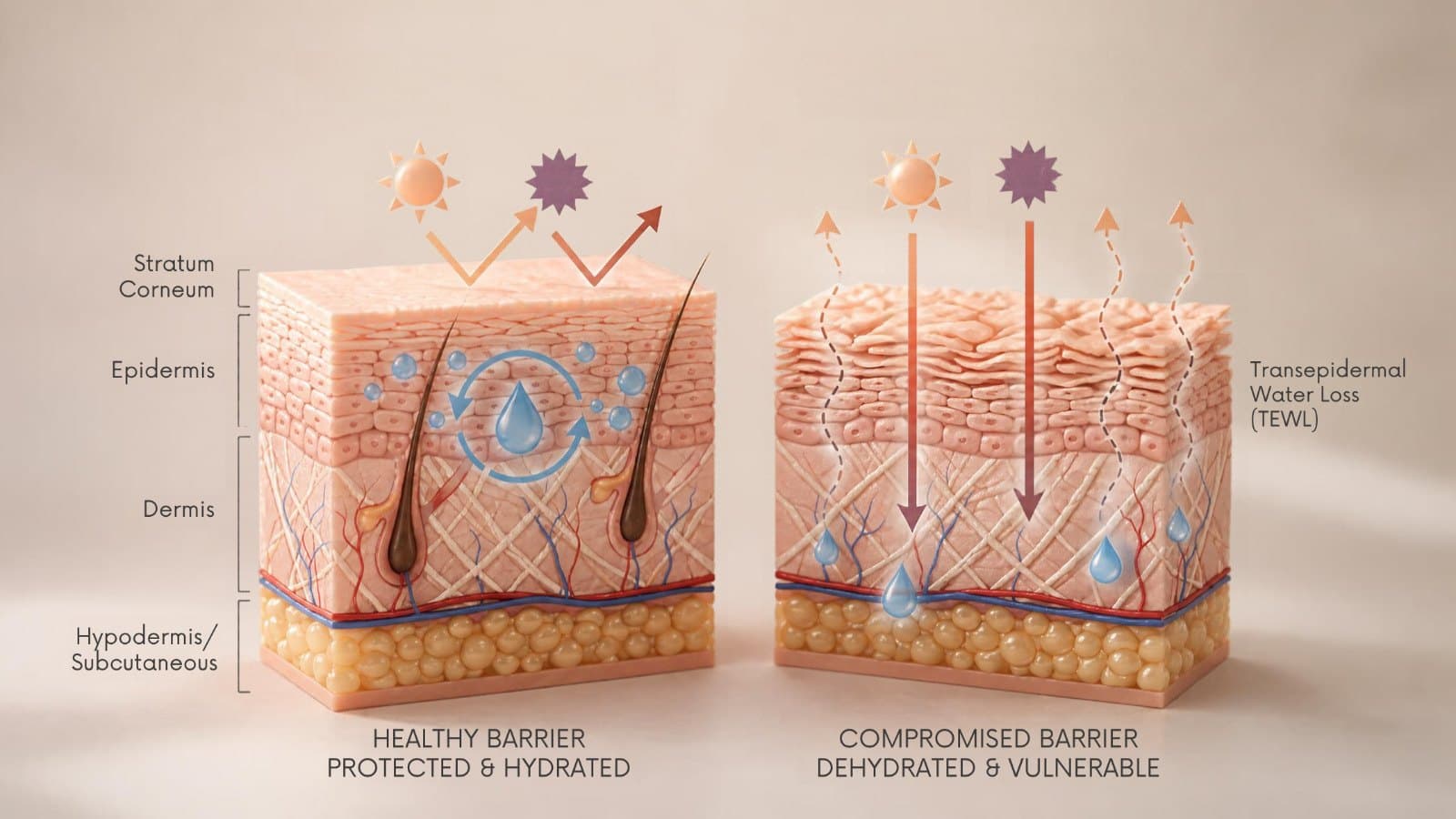
Routine guide, 4 min read
A Simple Daily Skincare Routine for Beginners
A science-backed guide to the few steps your skin actually needs.Read the article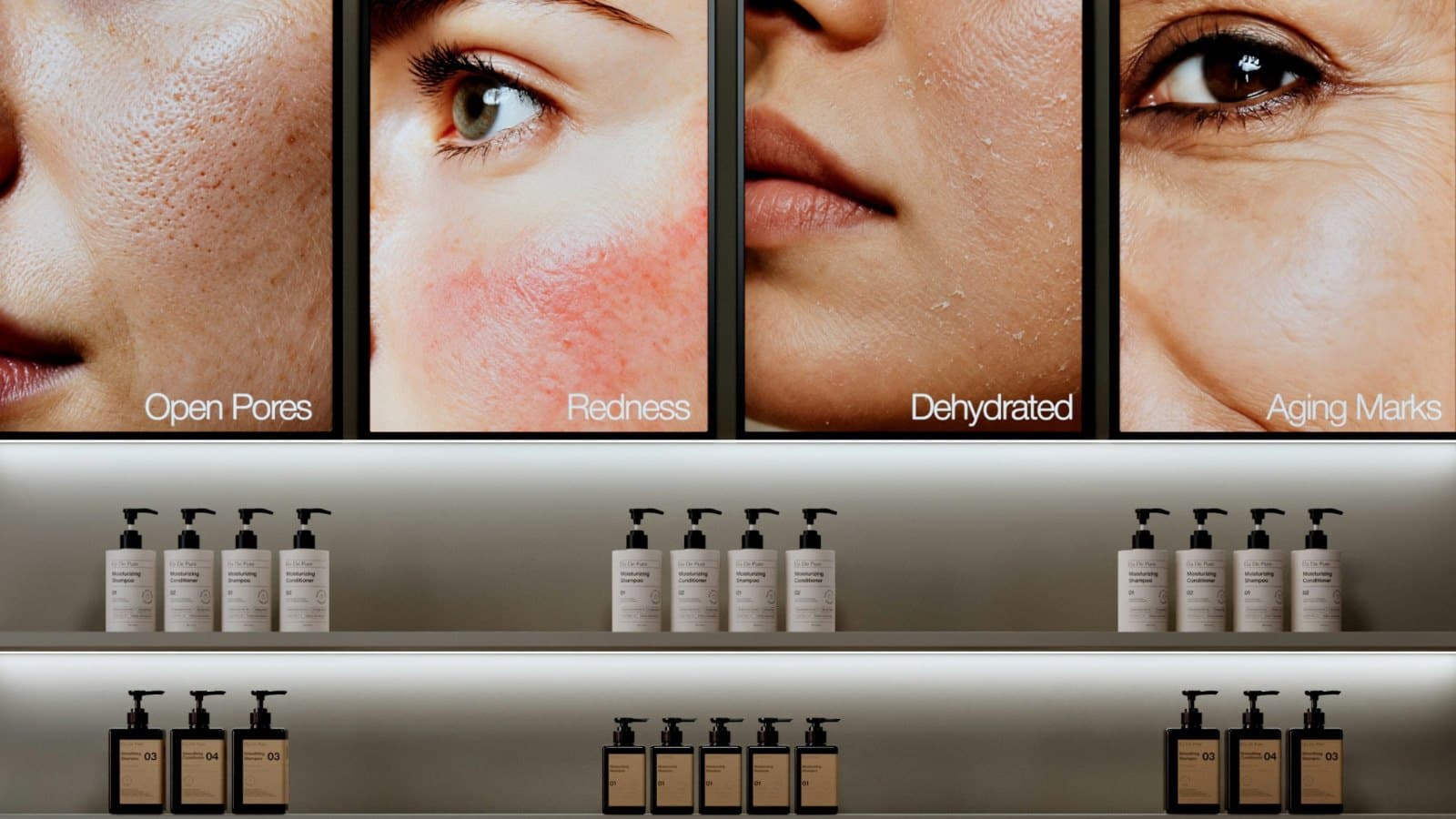
Skin types, 2 min read
What’s Your Type?
A guide to matching skincare to your skin.Read the article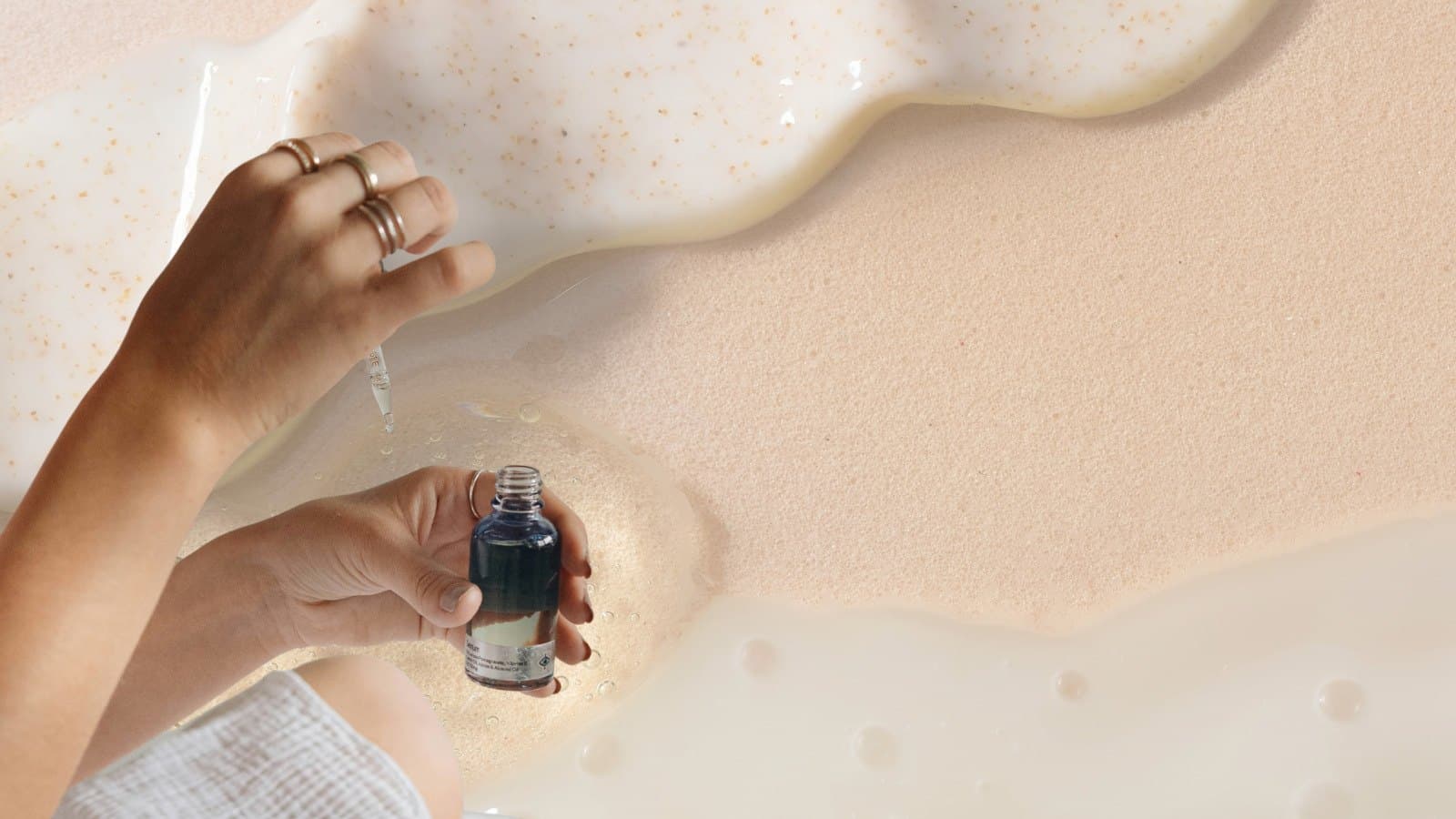
How to, 2 min read
How to Get the Most Out of Your Skincare
Four simple rules that help every product in your routine do its work.Read the article
Ingredients, 2 min read
Understanding Your Skincare Labels
Demystifying what’s inside, from the INCI list to the tiny icons.Read the article