Seasonal care, 3 min read
Moisturiser for Sensitive Skin in Summer: A Guide for Indian Heat
Why sensitive skin still needs a moisturiser in the heat, what to look for, and how to calm skin flushed by the sun.
Published

When the temperature climbs past 35°C, moisturiser is often the first step people drop. Yet summer is when sensitive skin tends to complain most: stinging, flushing, tightness after washing, oily and dry at the same time. Skipping moisturiser usually makes that worse. Here is how to choose one that works in Indian heat.
Why sensitive skin struggles in summer
- Heat: blood vessels widen to cool you down, which shows as flushing and redness
- Sweat: salt left on the skin, plus wiping and rubbing, irritates a sensitive barrier
- Sun: UV stresses the barrier and can leave dark marks on irritated skin
- Air conditioning: moving between hot streets and cold, dry offices pulls water from the skin all day
- Over-washing: washing your face several times a day to feel fresh strips the lipids your barrier needs
Do you still need a moisturiser in summer?
Yes. Sweat is not hydration: it evaporates and takes water with it. And when skin lacks water, it can make more oil to compensate, which is why skipping moisturiser often leaves you shinier, not less. What changes in summer is the texture and the amount, not the step itself.
What to look for in a summer moisturiser
- A light texture: gels, gel-creams and light creams that melt in rather than sit on top
- Barrier lipids: ceramides and cholesterol, which help the skin hold water in
- Humectants: hyaluronic acid and glycerin, which draw water into the skin
- Soothing ingredients: centella asiatica, madecassoside, panthenol and allantoin, which help comfort skin that feels hot and stressed
- Few heavy oils: rich oils and butters feel suffocating in humidity; keep them for winter
A summer routine for sensitive skin
Morning: A splash of cool water or a gentle cleanse, then two or three drops of Calming Serum on damp skin, a thin layer of Barrier Repair Cream, and a broad-spectrum sunscreen, SPF 30 or higher. Gel and fluid sunscreens feel lightest in the heat.
During the day: Blot shine with tissue instead of washing your face again, and reapply sunscreen if you spend long hours outdoors.
Night: A gentle cleanse to remove sweat, sunscreen and pollution, then the serum and the cream. Night is when skin can take a little more cream, as the AC dries the air.
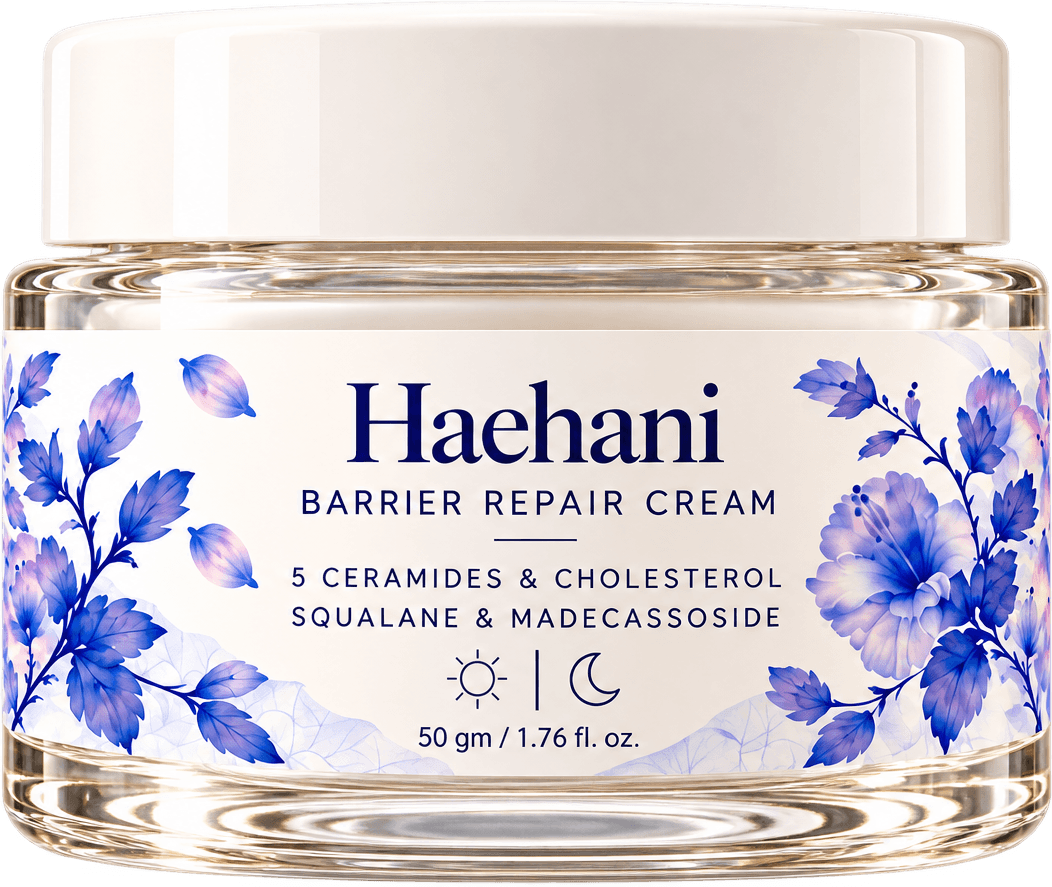
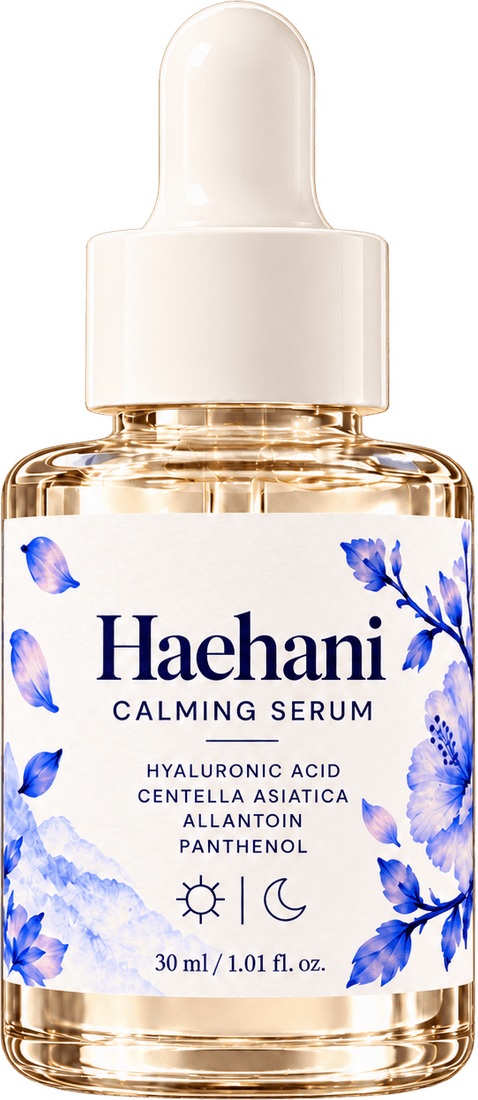
Why these two: Calming Serum hydrates with three forms of hyaluronic acid while centella asiatica, allantoin and panthenol help comfort the skin, in a watery texture that feels comfortable even on humid days. Barrier Repair Cream brings five ceramides, cholesterol, squalane and madecassoside in a lightweight cream; in summer, a pea-sized amount is enough for the whole face.
How to calm skin flushed by heat
- Cool down first: step out of the sun and rinse with cool, not icy, water
- A cool compress: a soft cloth soaked in cool water, held on the skin for a few minutes
- Pause the actives: skip retinol, exfoliating acids and scrubs for a few days
- Keep it simple: a soothing serum and a light moisturiser, nothing more
See a dermatologist if redness lasts for weeks, keeps coming back, burns or itches, or comes with a rash, bumps or blisters. It may be rosacea, heat rash or an allergy that needs a proper diagnosis. Good skincare supports your skin; it doesn’t replace medical care.
Common summer mistakes
- Skipping moisturiser: skin short of water often ends up oilier and more reactive
- Washing too often: twice a day is enough for most skin
- Scrubbing off sweat: rinse or blot instead of rubbing
- Heavy face oils: they trap heat and sweat in humid weather
- Skipping sunscreen: a sticky feel means it’s the wrong sunscreen, not the wrong step
Sources
- How to select a sunscreen. American Academy of Dermatology.
- Face washing 101. American Academy of Dermatology.
- The role of moisturizers in addressing various kinds of dermatitis: a review. Purnamawati S. et al., Clinical Medicine & Research, 2017.
Written for general information, not medical advice. For a skin condition, please see a dermatologist.
More from the journal
All articles
Seasonal care, 3 min read
Winter Skincare Routine for Dry Skin in India
Why skin turns tight and flaky when the weather cools, and a simple routine to keep it soft through an Indian winter.Read the article
Skin basics, 3 min read
Dehydrated vs Dry Skin: How to Tell the Difference
Dry skin lacks oil; dehydrated skin lacks water. How to tell which one you have, and why it changes what your skin needs.Read the article
Ingredients, 3 min read
Centella Asiatica (Cica) for Sensitive Skin: Benefits and Uses
Why Korean skincare loves centella, what it does for sensitive and stressed skin, and how to fit a cica serum into your routine.Read the article
K-beauty, 3 min read
Glass Skin for Indian Skin: What It Is and How to Get It
The dewy K-beauty look, explained honestly, with a simple routine for Indian weather and melanin-rich skin.Read the article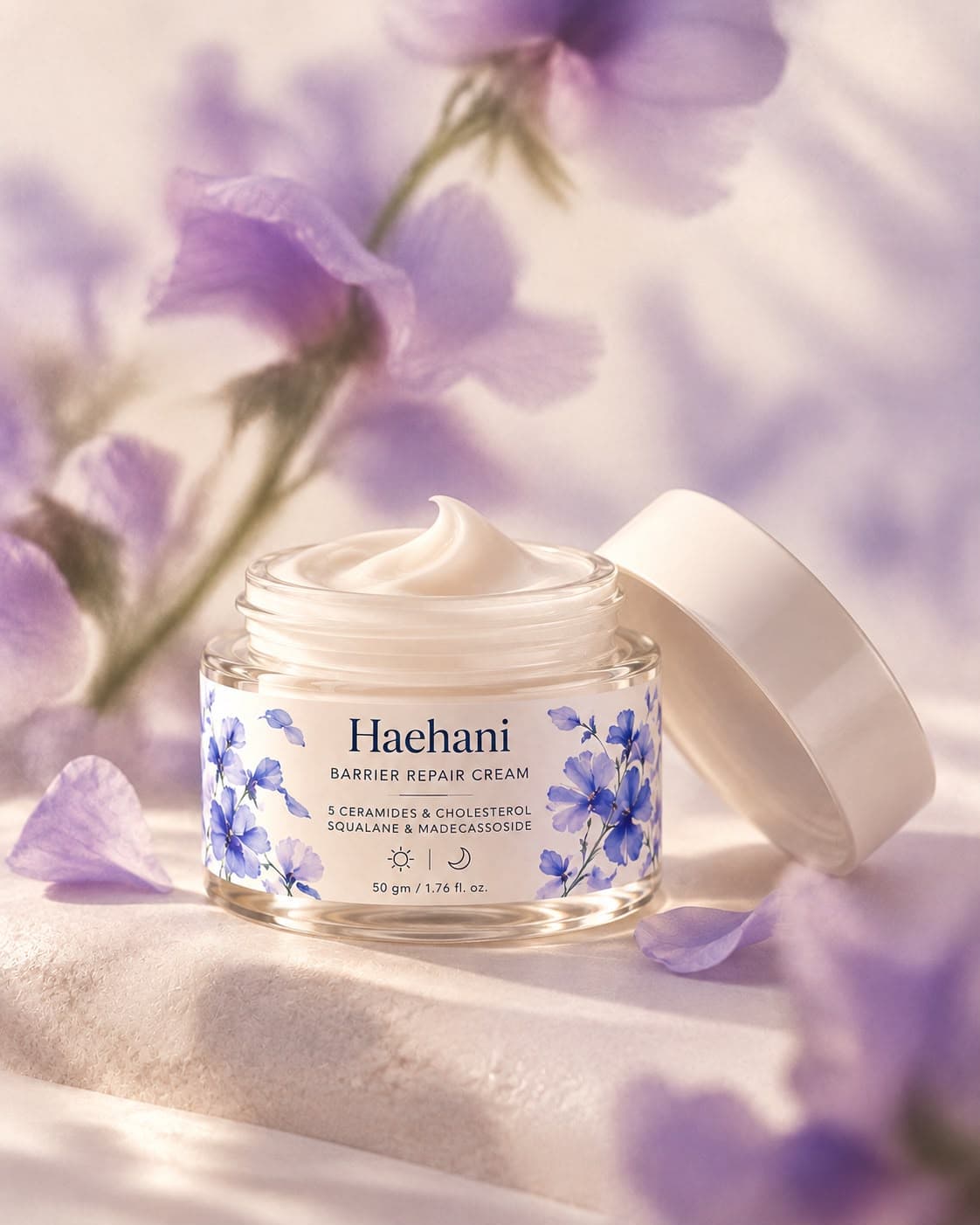
Ingredients, 3 min read
Ceramides Explained: What They Do for Your Skin
What ceramides are, why your skin barrier depends on them, and how to choose and use a ceramide moisturiser.Read the article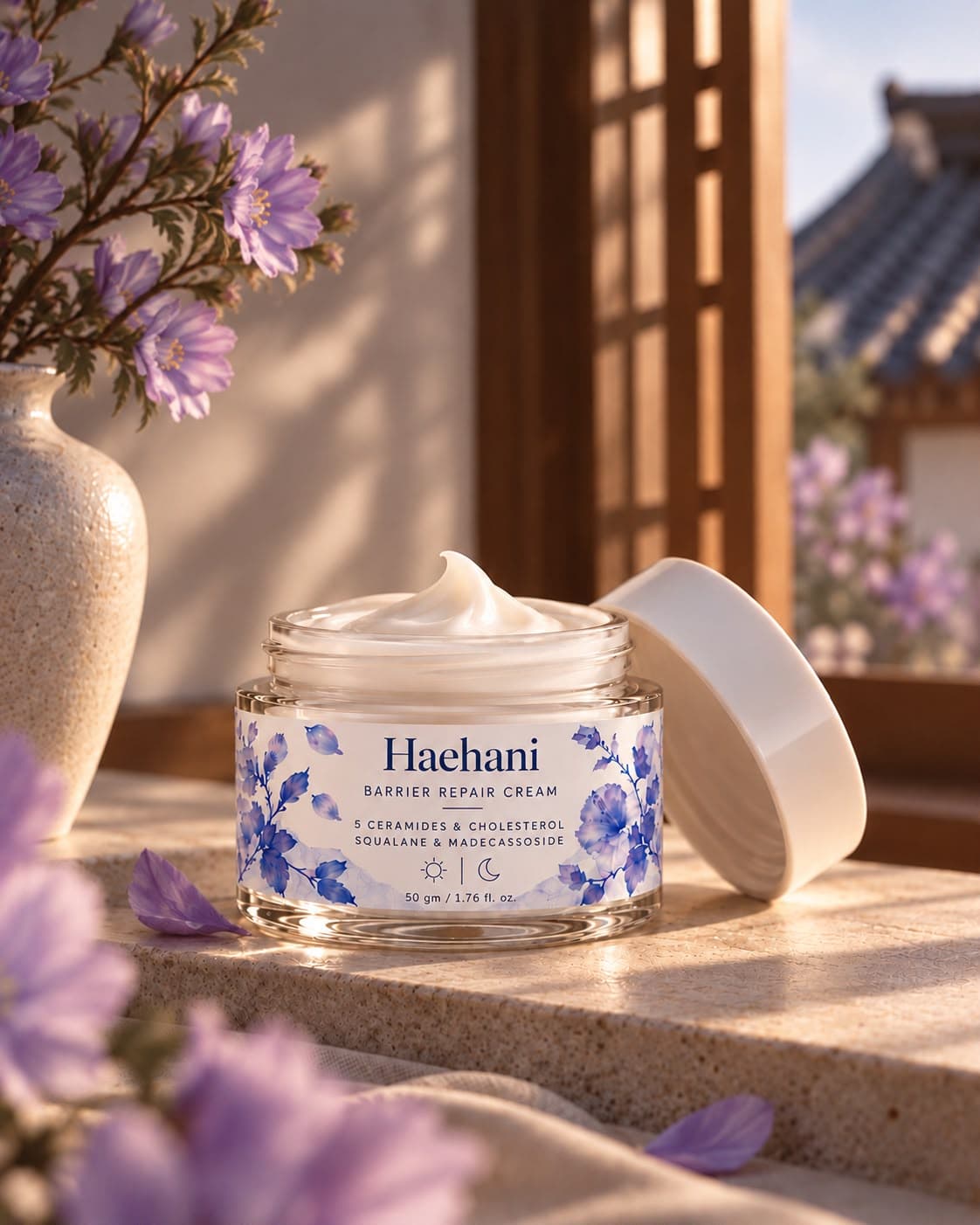
Routine guide, 3 min read
A Korean Skincare Routine for Indian Skin and Weather
What K-beauty gets right, adapted to Indian heat, humidity and pollution, for oily, dry and combination skin.Read the article
Skin barrier, 3 min read
Damaged Skin Barrier: The Signs and How to Repair It
What your skin barrier is, how to tell it’s struggling, and a simple routine to help it recover.Read the article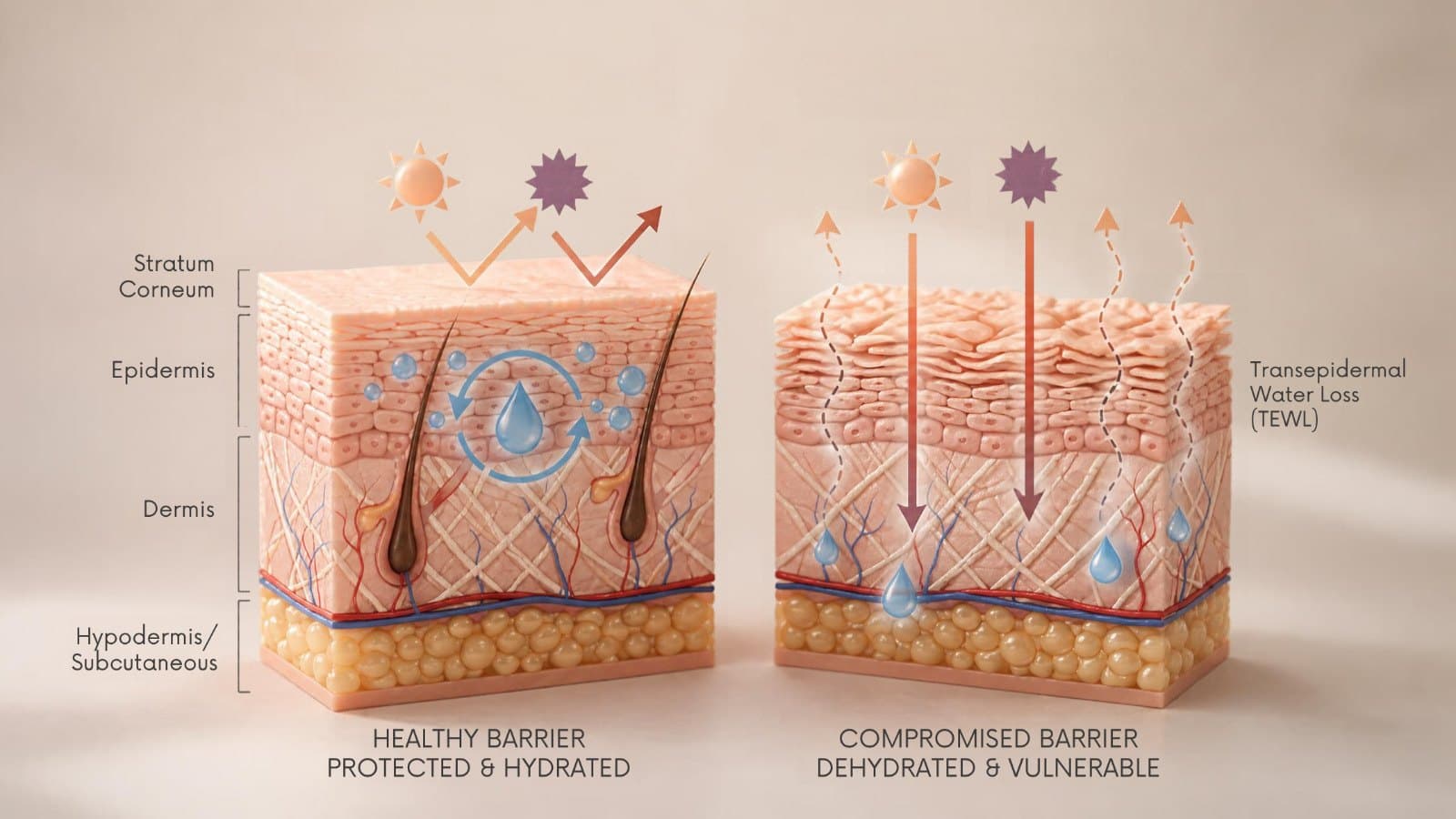
Routine guide, 4 min read
A Simple Daily Skincare Routine for Beginners
A science-backed guide to the few steps your skin actually needs.Read the article
Skin types, 2 min read
What’s Your Type?
A guide to matching skincare to your skin.Read the article
How to, 2 min read
How to Get the Most Out of Your Skincare
Four simple rules that help every product in your routine do its work.Read the article
Ingredients, 2 min read
Understanding Your Skincare Labels
Demystifying what’s inside, from the INCI list to the tiny icons.Read the article