K-beauty, 3 min read
Glass Skin for Indian Skin: What It Is and How to Get It
The dewy K-beauty look, explained honestly, with a simple routine for Indian weather and melanin-rich skin.
Published

“Glass skin” is skin so smooth, clear and hydrated that it seems to reflect light like glass. The term comes from Korea and spread through social media, usually in photos helped by ring lights, filters and makeup. Behind the trend is a simpler, realistic goal: well-hydrated, even, calm skin with a healthy glow. Indian skin can get there too, with a routine adapted to our weather.
What glass skin actually means
- Hydration: skin holding plenty of water reflects light evenly, which is where the glow comes from
- Smooth texture: fewer rough or flaky patches, so light isn’t scattered
- Even tone: fewer dark marks and blotches
- Calm skin: little redness or irritation
Glass skin is not about being fair. It describes how skin feels and reflects light, and it looks just as beautiful on deep skin tones as on light ones.
What’s different for Indian skin
Melanin: Skin with more melanin tends to leave dark marks after irritation, and they can take weeks or months to fade. Harsh scrubs and strong acids used to “get glass skin fast” can backfire. Gentle beats aggressive.
Humidity and oil: In humid months skin often looks shiny rather than dewy. Shine is oil sitting on the surface; a dewy glow is water held within the skin. Light, hydrating layers give the second without adding to the first.
Sun: UV makes skin look dull and deepens dark marks, and UV levels are high across most of India for most of the year. Daily sunscreen is part of the glow.
Pollution and hard water: Both can leave skin feeling dry and rough. A gentle evening cleanse and a good moisturiser help counter them.
The glass skin routine
1. Cleanse gently (morning and night): Use a mild, low-foam cleanser and lukewarm water. On days with heavy sunscreen or makeup, cleanse twice at night: an oil or balm cleanser first, then your usual one.
2. Exfoliate, but rarely (once or twice a week): A gentle exfoliant, such as lactic acid or a PHA, at night smooths texture. Skip scrubs, and skip exfoliating altogether while your skin stings or feels raw.
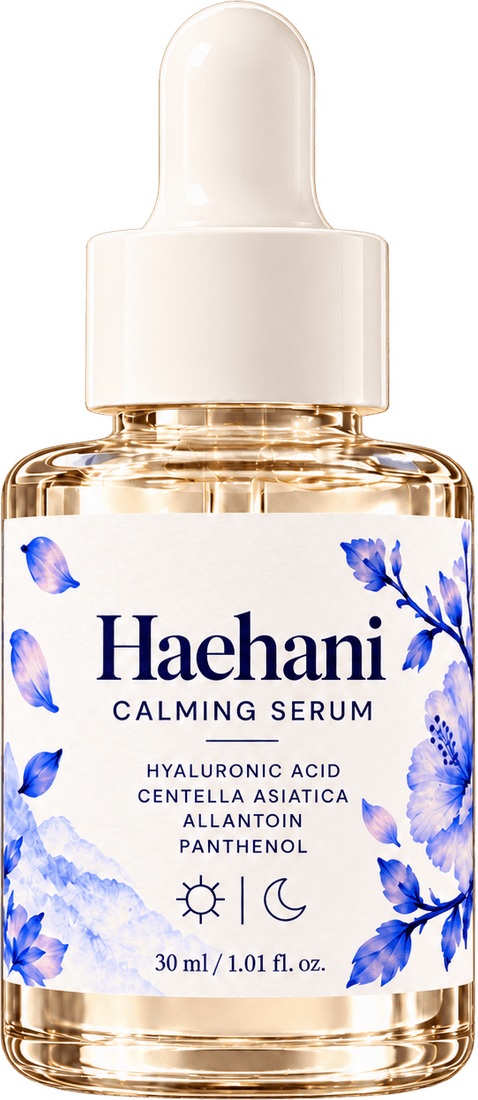
3. Layer hydration (morning and night): Korean routines build hydration in thin layers rather than one heavy cream. On damp skin, press in two or three drops of Calming Serum: three forms of hyaluronic acid draw water into the skin while centella asiatica, allantoin and panthenol help comfort it. On dry days, add a second layer once the first has sunk in.
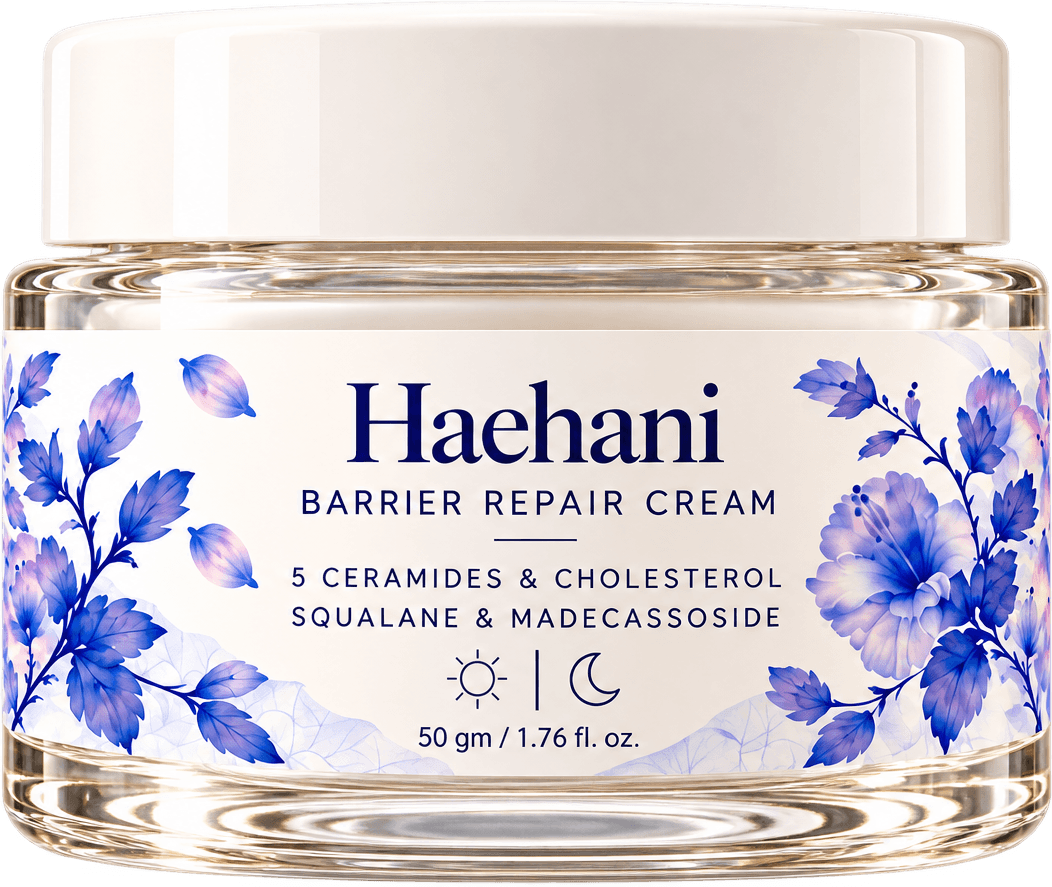
4. Seal it in (morning and night): Hydration fades if nothing holds it in. Barrier Repair Cream combines five ceramides with cholesterol and squalane to help reduce moisture loss, so the glow lasts beyond the first hour. Use a thin layer on oilier areas.
5. Protect (morning): Finish with a broad-spectrum sunscreen, SPF 30 or higher. Many modern gel and fluid sunscreens leave a dewy finish of their own.
Habits that show on your skin
- Sleep: skin looks duller and puffier after short nights
- Water: drinking enough matters for your health, but skin stays hydrated mainly through a healthy barrier that keeps water in
- Hands off: picking at spots leaves marks that outlast the spot itself
- Clean pillowcases: change them often, especially in humid weather
Glass skin myths
- You need ten steps: five are enough; consistency matters more than the number of products
- Glass skin means fair skin: it is about hydration and texture, on any skin tone
- Oily skin already has it: shine is not hydration, and oily skin can still lack water
- Highlighter does the job: makeup can copy the look for a day; healthy skin keeps it
How long does it take?
Your skin renews its outer layer roughly once a month, so give a new routine four to six weeks. Many people notice softer, more comfortable skin sooner. Every skin is different and results vary, and real skin has pores and texture, even at its most glowing. The aim is healthy skin, not a filter.
Sources
- Postinflammatory hyperpigmentation: a review of the epidemiology, clinical features, and treatment options in skin of color. Davis E.C., Callender V.D., Journal of Clinical and Aesthetic Dermatology, 2010.
- Hyaluronic acid: a key molecule in skin aging. Papakonstantinou E. et al., Dermato-Endocrinology, 2012.
- How to select a sunscreen. American Academy of Dermatology.
Written for general information, not medical advice. For a skin condition, please see a dermatologist.
More from the journal
All articles
Seasonal care, 3 min read
Winter Skincare Routine for Dry Skin in India
Why skin turns tight and flaky when the weather cools, and a simple routine to keep it soft through an Indian winter.Read the article
Skin basics, 3 min read
Dehydrated vs Dry Skin: How to Tell the Difference
Dry skin lacks oil; dehydrated skin lacks water. How to tell which one you have, and why it changes what your skin needs.Read the article
Ingredients, 3 min read
Centella Asiatica (Cica) for Sensitive Skin: Benefits and Uses
Why Korean skincare loves centella, what it does for sensitive and stressed skin, and how to fit a cica serum into your routine.Read the article
Seasonal care, 3 min read
Moisturiser for Sensitive Skin in Summer: A Guide for Indian Heat
Why sensitive skin still needs a moisturiser in the heat, what to look for, and how to calm skin flushed by the sun.Read the article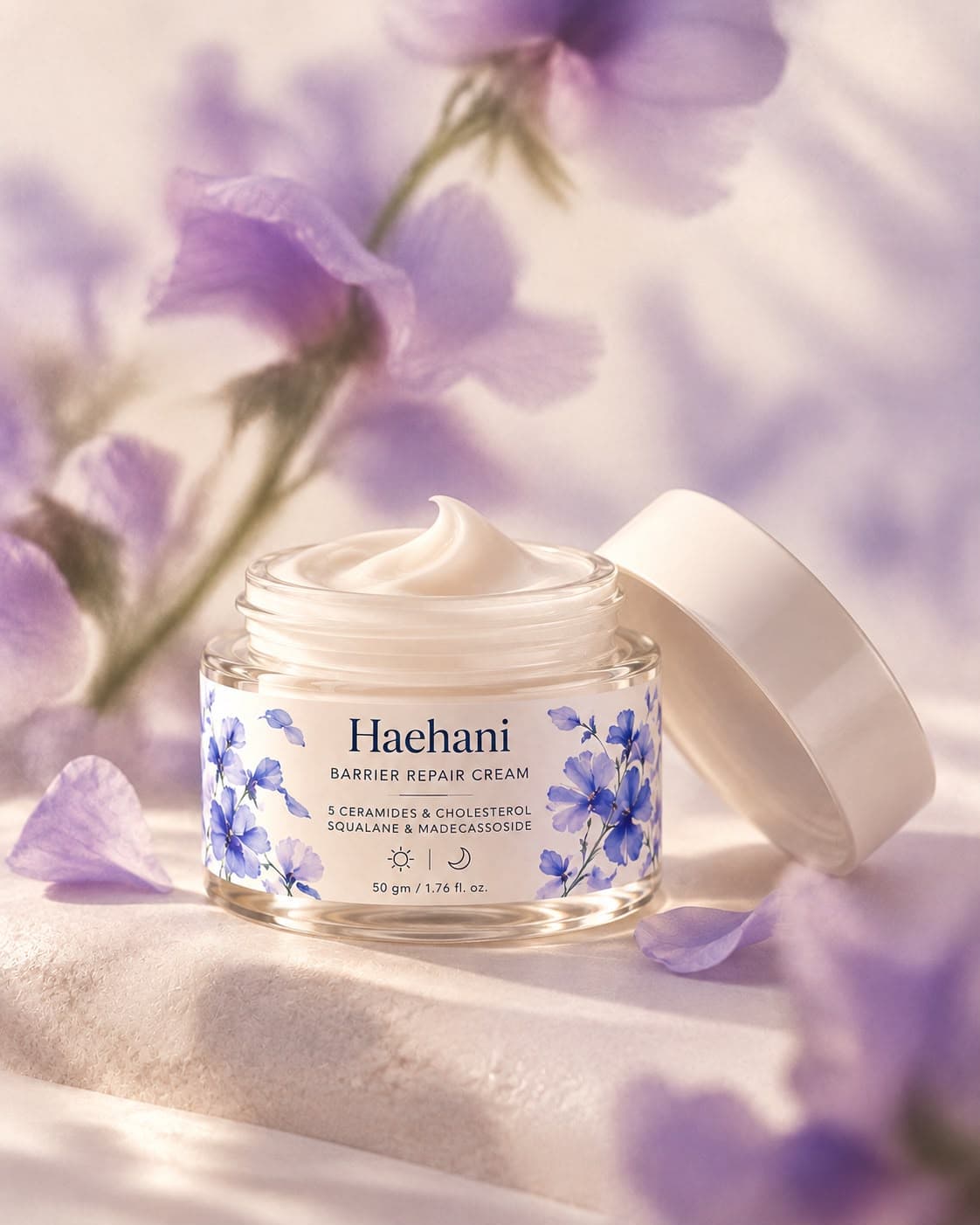
Ingredients, 3 min read
Ceramides Explained: What They Do for Your Skin
What ceramides are, why your skin barrier depends on them, and how to choose and use a ceramide moisturiser.Read the article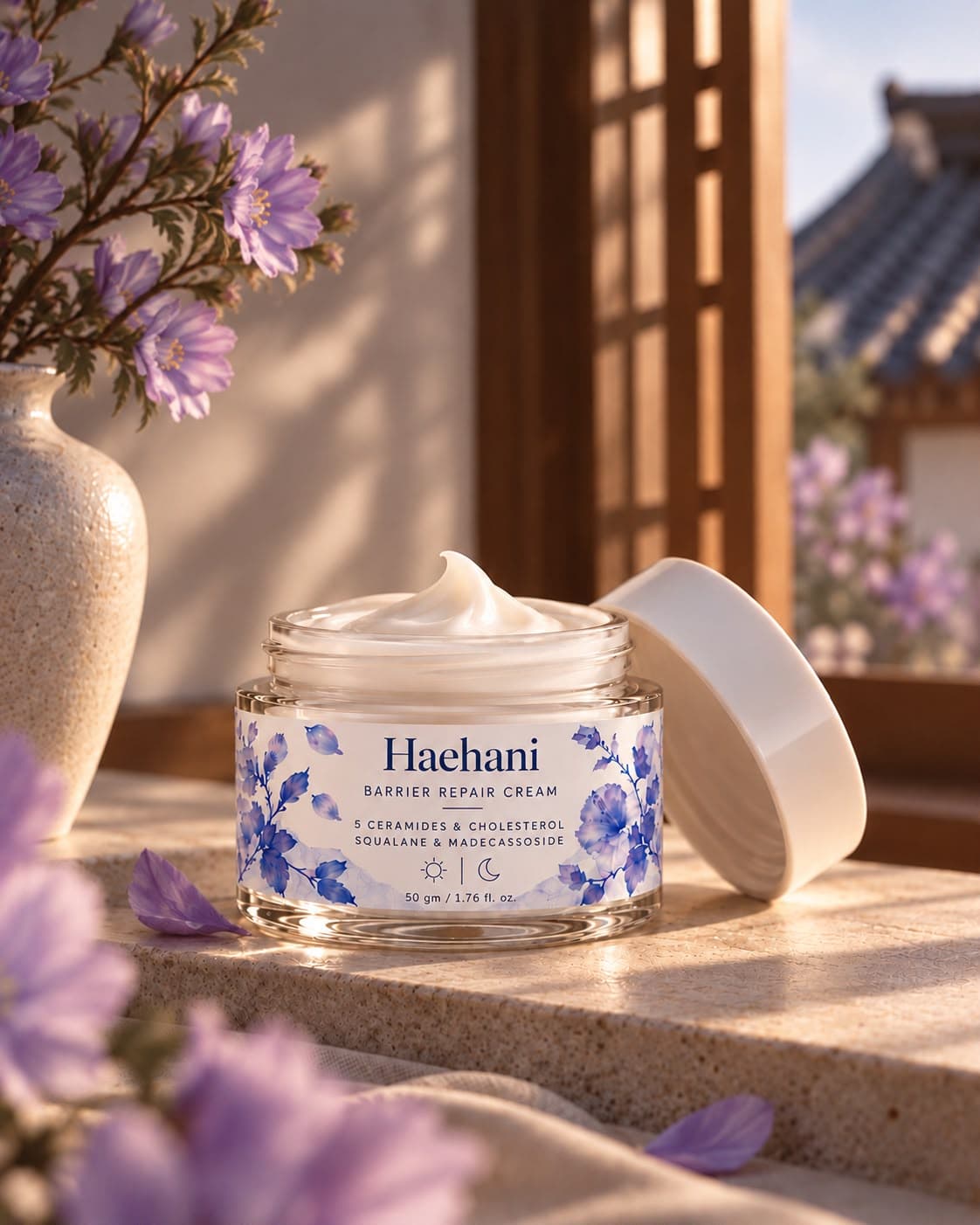
Routine guide, 3 min read
A Korean Skincare Routine for Indian Skin and Weather
What K-beauty gets right, adapted to Indian heat, humidity and pollution, for oily, dry and combination skin.Read the article
Skin barrier, 3 min read
Damaged Skin Barrier: The Signs and How to Repair It
What your skin barrier is, how to tell it’s struggling, and a simple routine to help it recover.Read the article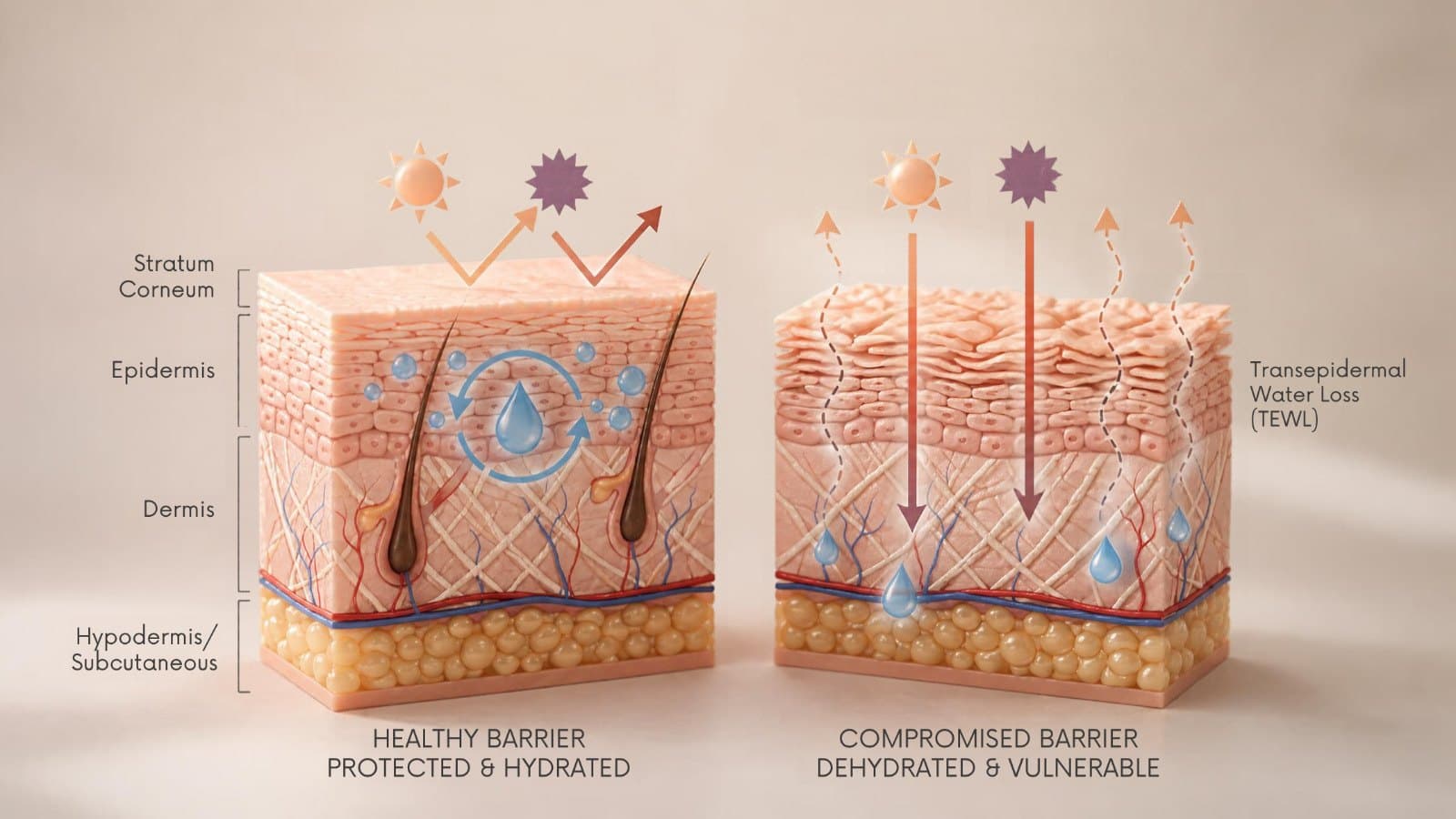
Routine guide, 4 min read
A Simple Daily Skincare Routine for Beginners
A science-backed guide to the few steps your skin actually needs.Read the article
Skin types, 2 min read
What’s Your Type?
A guide to matching skincare to your skin.Read the article
How to, 2 min read
How to Get the Most Out of Your Skincare
Four simple rules that help every product in your routine do its work.Read the article
Ingredients, 2 min read
Understanding Your Skincare Labels
Demystifying what’s inside, from the INCI list to the tiny icons.Read the article