Skin basics, 3 min read
Dehydrated vs Dry Skin: How to Tell the Difference
Dry skin lacks oil; dehydrated skin lacks water. How to tell which one you have, and why it changes what your skin needs.
Published
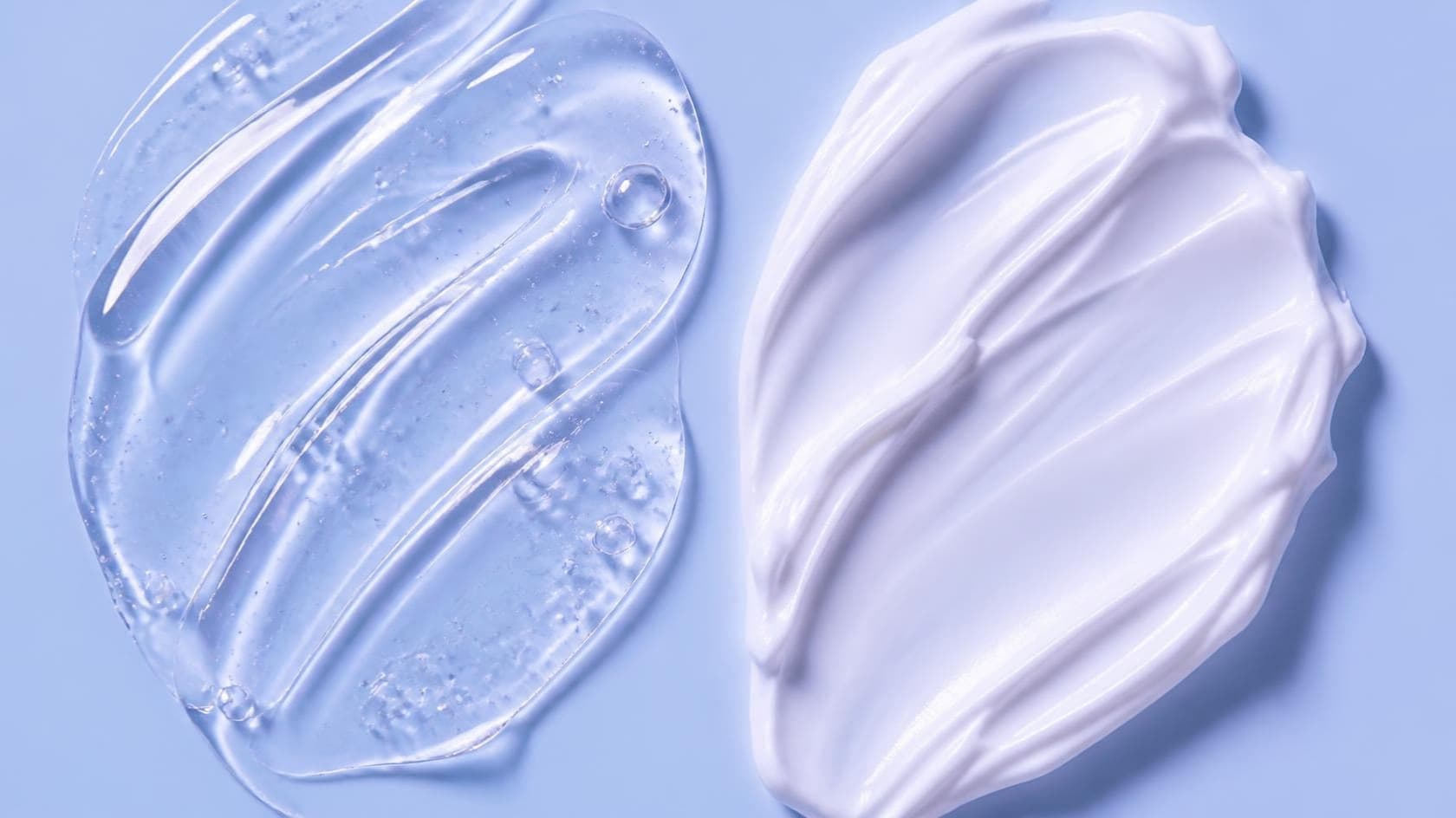
People often use “dry” and “dehydrated” as if they meant the same thing. They don’t. Dry skin is short on oil; dehydrated skin is short on water. You can have one, the other or both, and even oily skin can be dehydrated. Knowing which is which, along with your skin type, helps you choose the right products instead of guessing.
The difference in one line
- Dry skin: a skin type: your skin makes less oil (sebum) than it needs
- Dehydrated skin: a skin condition: your skin is low on water, whatever your skin type
Because dryness is a type, it tends to stay with you. Dehydration comes and goes with the weather, AC, harsh products and habits, and it usually improves quickly with the right care.
Signs of dry skin
- Rough texture: skin feels rough or looks flaky, often all the time
- Small pores: and very little shine, even by evening
- Tightness: which eases after a rich moisturiser
- Dry elsewhere too: lips, hands and body are often dry as well
Signs of dehydrated skin
- Dullness: skin looks tired and lacks glow
- Fine lines that come and go: small lines that look deeper on some days than others
- Oily and tight at once: shiny on the surface but tight underneath
- Products feel different: makeup looks patchy, and products sting that didn’t before
- Shadows: under-eyes look darker and more hollow
A simple test: the pinch test
Gently pinch a little skin on your cheek and let go. If it bounces straight back, your skin is well hydrated. If it wrinkles or takes a second or two to settle, it is probably dehydrated. This is only a rough guide, not a diagnosis, but it is a useful check from day to day.
What causes dehydrated skin
- Air conditioning and heaters: both dry the air and pull water from the skin
- Harsh cleansers: strong, foamy face washes strip the barrier that holds water in
- Over-exfoliating: too many scrubs and acids weaken the barrier
- Sun and pollution: they stress the barrier over time
- Skipping moisturiser: common with oily skin, and often the reason it feels tight
How to care for each
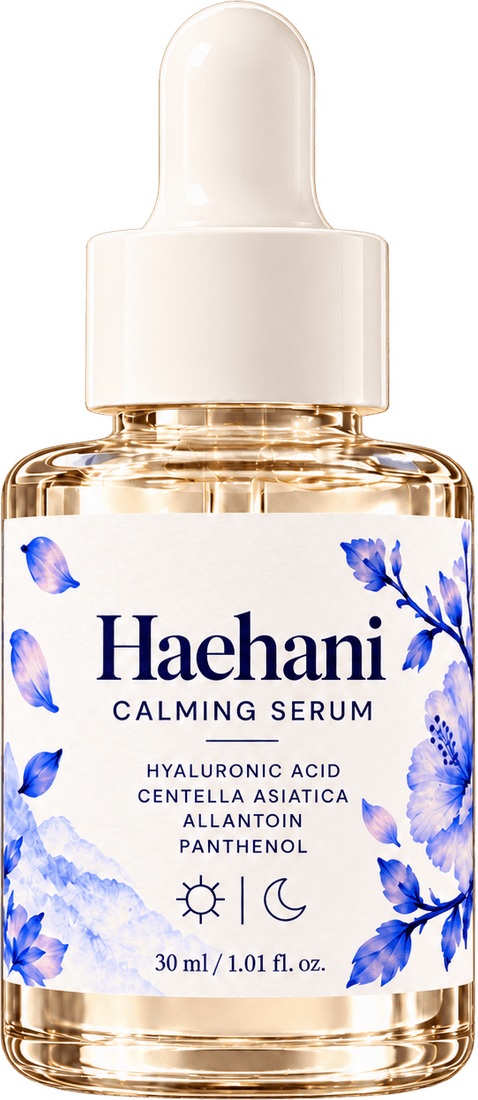
Dehydrated skin needs water: Humectants such as hyaluronic acid and glycerin draw water into the skin. Calming Serum combines three forms of hyaluronic acid with centella asiatica, allantoin and panthenol, in a light, watery texture. Apply it on damp skin.
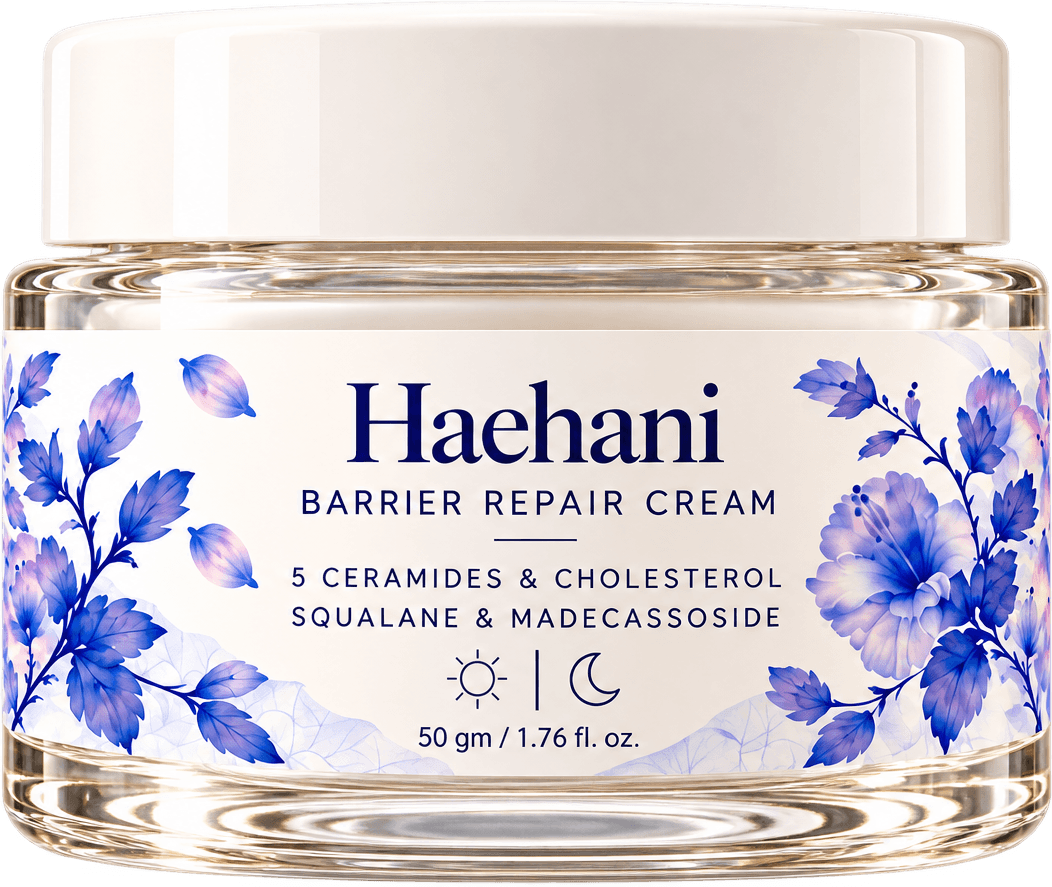
Dry skin needs lipids: Ceramides, cholesterol and squalane help replace the lipids dry skin is missing and slow the water it loses. Barrier Repair Cream contains five ceramides, cholesterol and squalane to help replenish moisture and support the skin’s natural protective barrier.
Most skin needs both: Water without a seal escapes; a seal without water has little to hold in. That is why a hydrating serum followed by a barrier cream works for dry and dehydrated skin alike: the serum first, the cream on top.
Dehydrated oily skin
Oily skin can still lack water, and it is common in India: people with oily skin often skip moisturiser and use strong oil-control face washes, which leaves skin shiny but tight. Skin short of water may make more oil to make up for it. Use a gentle cleanser, a hydrating serum on damp skin and a thin layer of a light moisturiser. Many people find their skin looks less shiny within a few weeks.
Quick answers
- Drinking water: it matters for your health, but skin hydration depends mostly on your barrier and routine
- Can it change: yes: dehydration improves with care; a dry skin type is more lasting
- Both at once: dry skin is often dehydrated too, especially in winter and AC
- When to see a doctor: if dryness comes with cracking, bleeding, strong itching or a rash, see a dermatologist
Sources
- Hyaluronic acid: a key molecule in skin aging. Papakonstantinou E. et al., Dermato-Endocrinology, 2012.
- The role of moisturizers in addressing various kinds of dermatitis: a review. Purnamawati S. et al., Clinical Medicine & Research, 2017.
- Dermatologists’ top tips for relieving dry skin. American Academy of Dermatology.
Written for general information, not medical advice. For a skin condition, please see a dermatologist.
More from the journal
All articles
Seasonal care, 3 min read
Winter Skincare Routine for Dry Skin in India
Why skin turns tight and flaky when the weather cools, and a simple routine to keep it soft through an Indian winter.Read the article
Ingredients, 3 min read
Centella Asiatica (Cica) for Sensitive Skin: Benefits and Uses
Why Korean skincare loves centella, what it does for sensitive and stressed skin, and how to fit a cica serum into your routine.Read the article
Seasonal care, 3 min read
Moisturiser for Sensitive Skin in Summer: A Guide for Indian Heat
Why sensitive skin still needs a moisturiser in the heat, what to look for, and how to calm skin flushed by the sun.Read the article
K-beauty, 3 min read
Glass Skin for Indian Skin: What It Is and How to Get It
The dewy K-beauty look, explained honestly, with a simple routine for Indian weather and melanin-rich skin.Read the article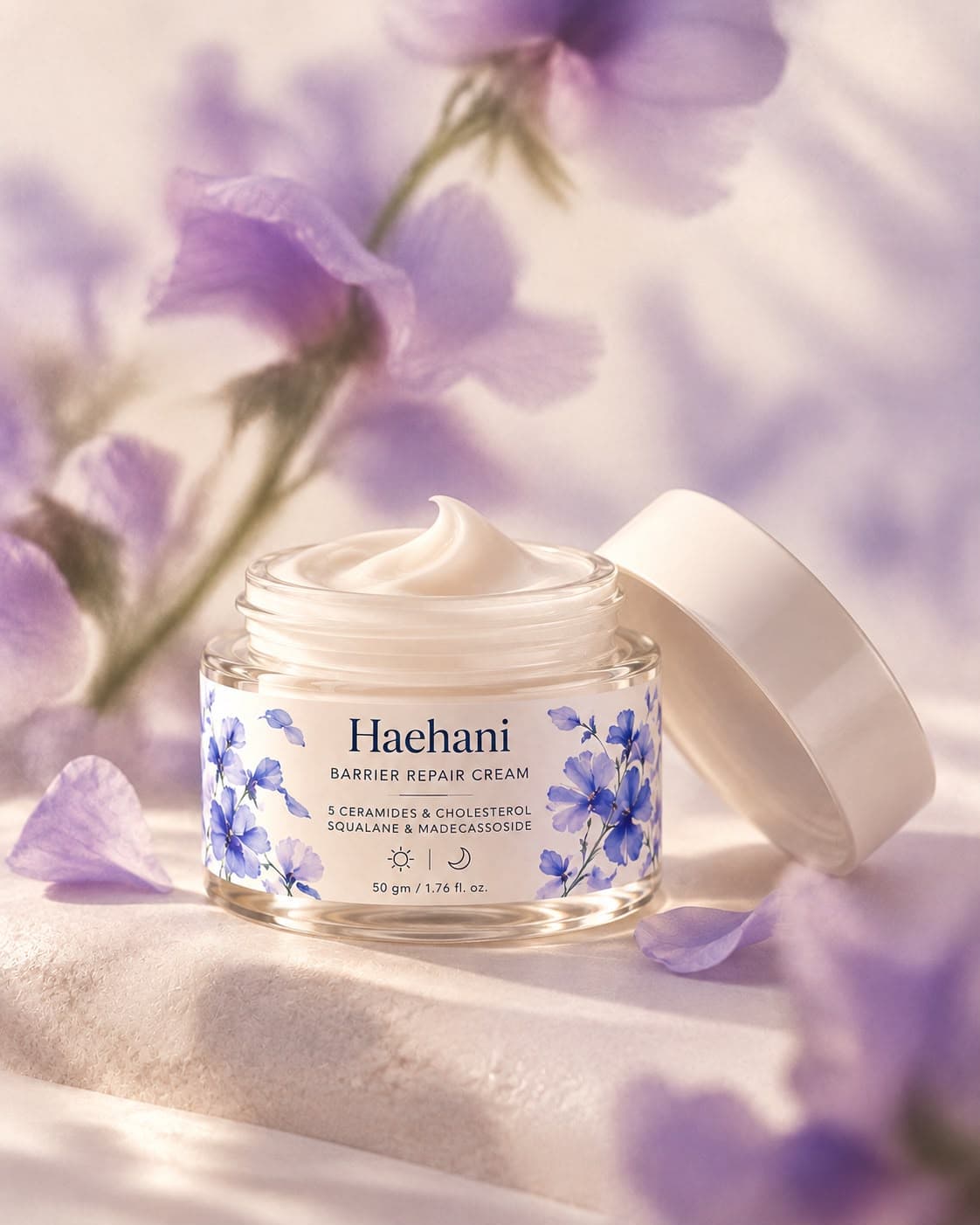
Ingredients, 3 min read
Ceramides Explained: What They Do for Your Skin
What ceramides are, why your skin barrier depends on them, and how to choose and use a ceramide moisturiser.Read the article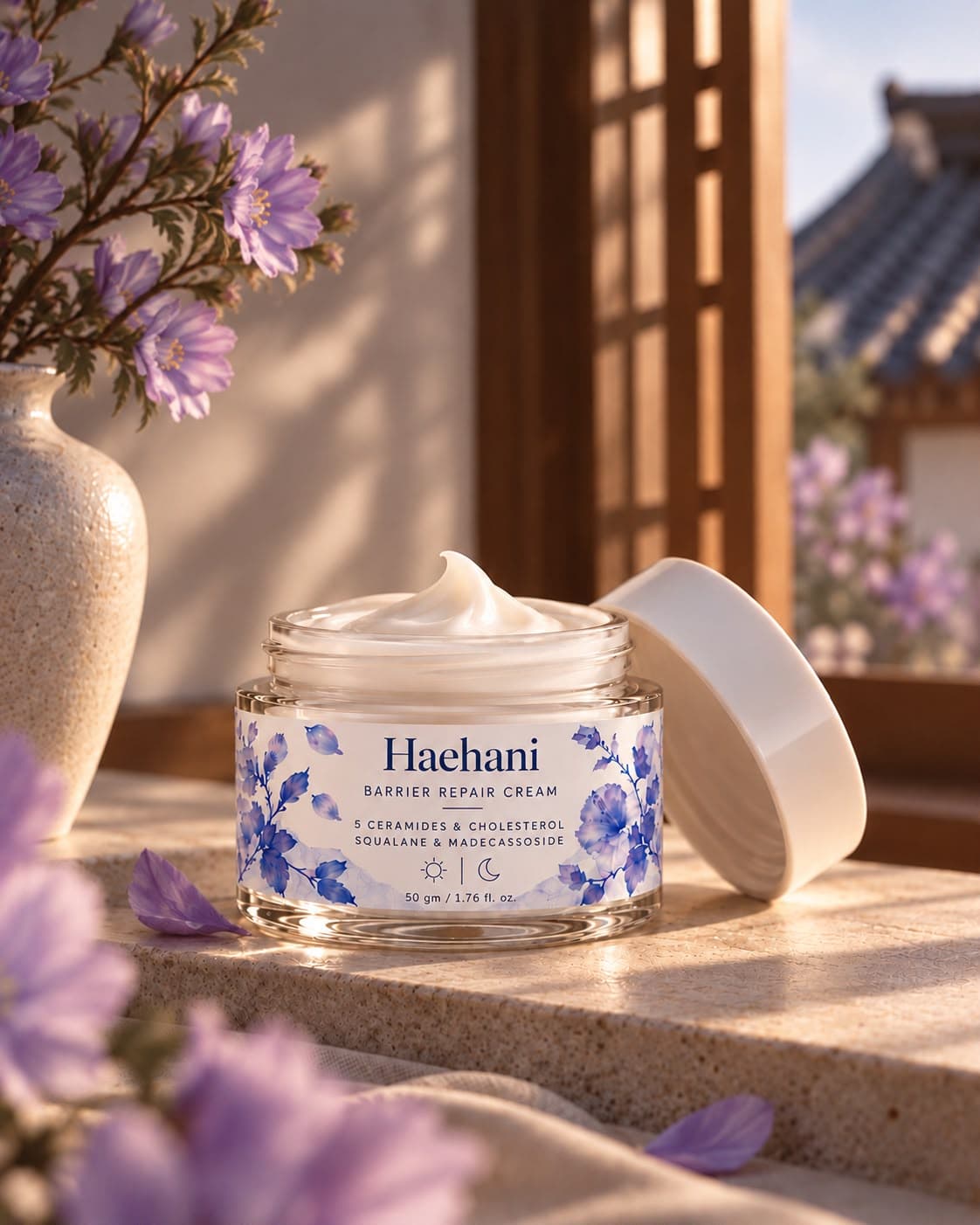
Routine guide, 3 min read
A Korean Skincare Routine for Indian Skin and Weather
What K-beauty gets right, adapted to Indian heat, humidity and pollution, for oily, dry and combination skin.Read the article
Skin barrier, 3 min read
Damaged Skin Barrier: The Signs and How to Repair It
What your skin barrier is, how to tell it’s struggling, and a simple routine to help it recover.Read the article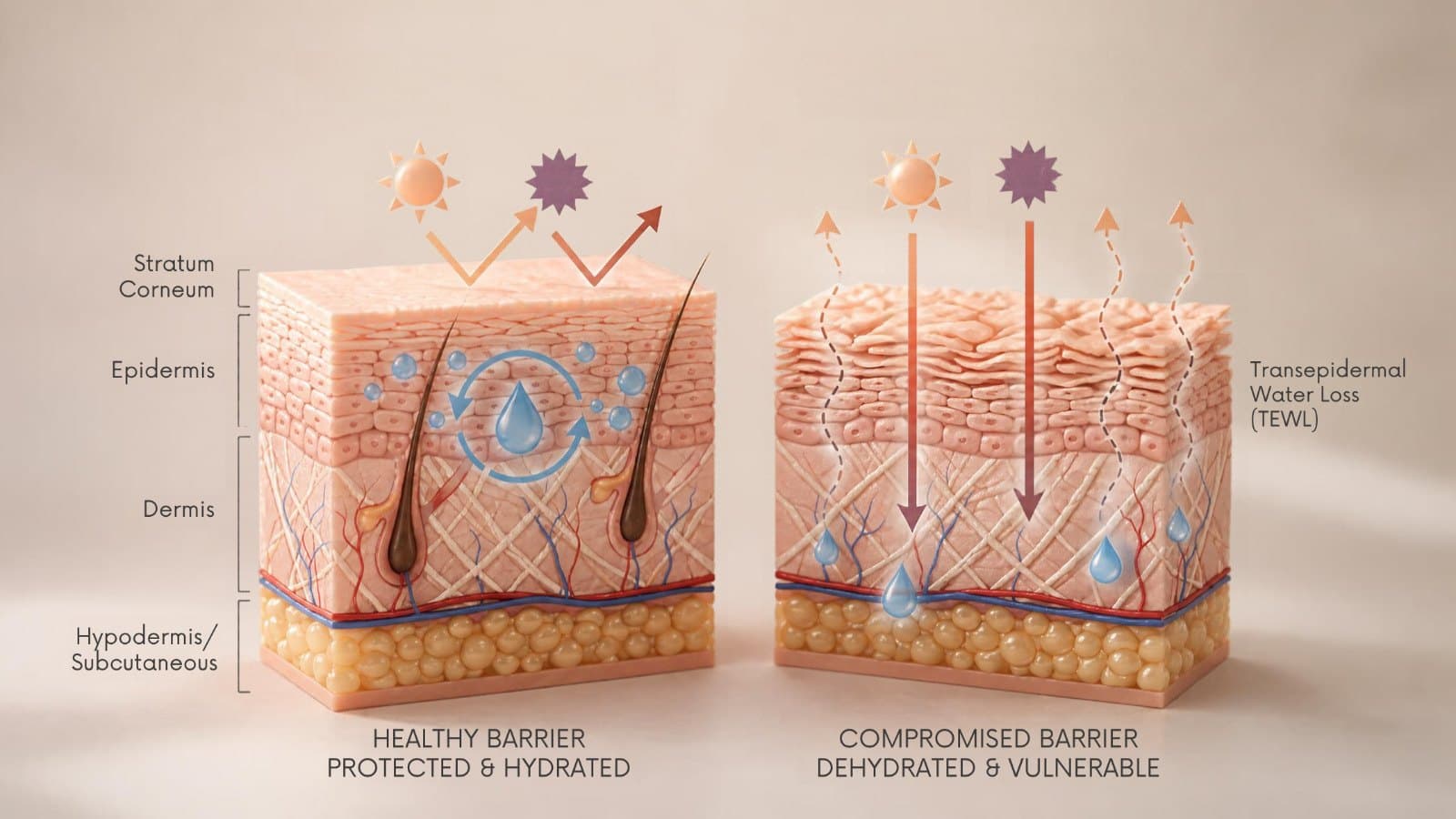
Routine guide, 4 min read
A Simple Daily Skincare Routine for Beginners
A science-backed guide to the few steps your skin actually needs.Read the article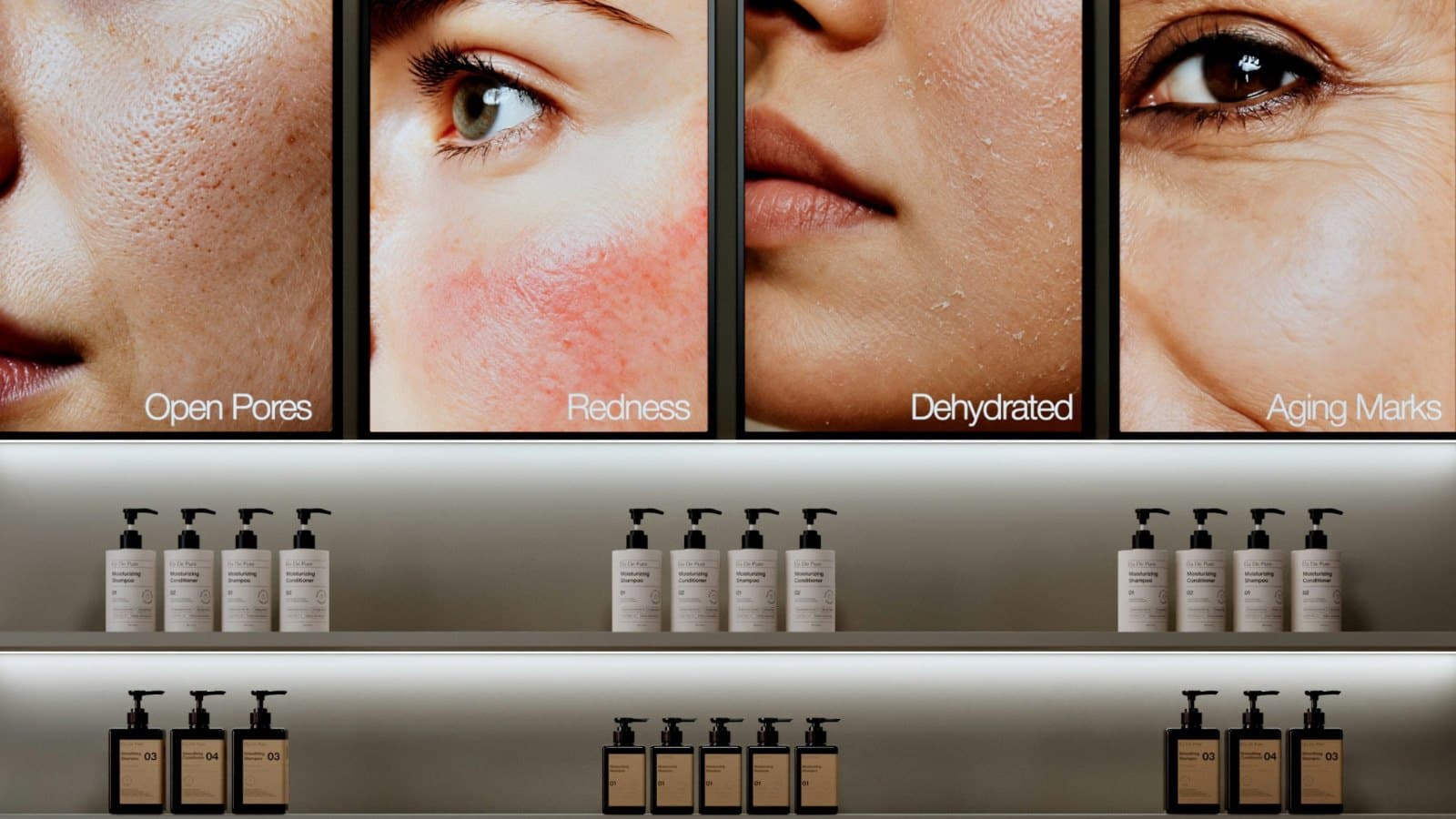
Skin types, 2 min read
What’s Your Type?
A guide to matching skincare to your skin.Read the article
How to, 2 min read
How to Get the Most Out of Your Skincare
Four simple rules that help every product in your routine do its work.Read the article
Ingredients, 2 min read
Understanding Your Skincare Labels
Demystifying what’s inside, from the INCI list to the tiny icons.Read the article